Wyandotte County, Kansas, is confronting an unusual legacy: 18 historic cemeteries that the state classifies as “abandoned.” More than 4,000 graves span the county, including Civil War veterans, Native American leaders, and descendants of enslaved people who escaped to freedom. While Kansas law requires only twice‑yearly mowing, the Unified Government’s Parks Department is mowing every two weeks and organizing community clean‑ups to keep the sites dignified.
Community volunteers fill the gap
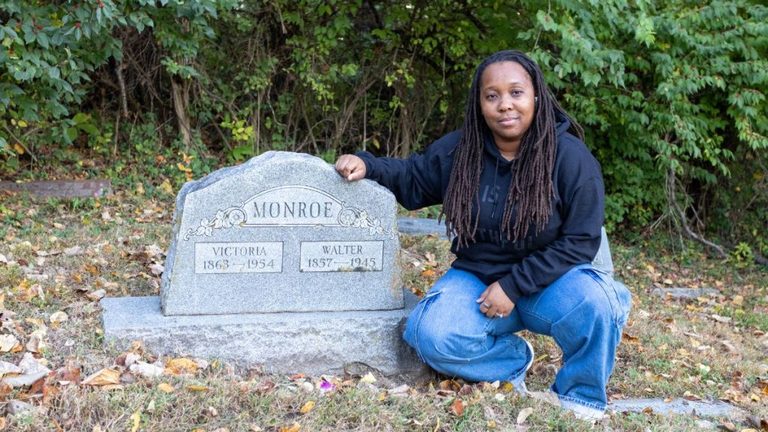
Residents such as Nakia Hope‑Paul, whose grandmother rests in Old Quindaro Cemetery, have long tended the grounds. Hope‑Paul, president of the Concerned Citizens for Old Quindaro, says the community has a moral obligation to care for the graves. “For 170 years, Quindaro residents have kept a close eye on the graveyard to make sure it remains dignified,” she explained.
Volunteer groups, including the county’s Adopt‑a‑Grave program and the Wyandotte County Historical Museum’s outreach, host regular clean‑up events. On Nov. 14, the museum will sponsor a grave‑cleaning workshop, and a local “KC Cemetery Man” offers free headstone repair, reminding volunteers to say the deceased’s name aloud as a sign of respect.
County budget stretched thin
The Unified Government spends just under $200,000 annually on mowing, a cost that comes out of the general parks maintenance budget rather than a dedicated fund. Mayor Christal Watson has raised the issue at Board of Commissioners meetings, urging the county to modernize Kansas’s abandoned‑cemetery law and consider penalties for owners who neglect their sites.
Despite the shoestring budget, Parks Director Angel Ferrara notes the department goes “above and beyond” the legal minimum, mowing every couple of weeks and performing winter work when other projects slow down. “We don’t have a big budget for that. We actually don’t have one at all,” Ferrara said, emphasizing the reliance on community support.
Historical preservation and modern technology
The Wyandotte County Historical Museum is digitizing nearly 80,000 burial records to create a searchable database, helping families trace ancestry and scholars study local history. Executive Director Amanda Martin highlighted notable interments, such as ragtime composer James Scott and blues singer Ada Brown, as well as Native American leaders Tenskwatawa and Ne Con He Con.
Martin says ground‑penetrating radar would be a “game changer” for locating unmarked graves and addressing headstones that have sunk into the soil. Until such equipment is secured, volunteers must often walk the fields, cross‑referencing existing markers with historic maps and funeral books.
Balancing heritage and fiscal reality
Wyandotte County’s 18 abandoned cemeteries cover more than 160 acres—far more than the typical Kansas city, which usually has one or two such sites. The county’s proactive approach demonstrates a commitment to preserving the stories of enslaved ancestors, veterans, and early settlers, while also acknowledging the financial constraints faced by local government.
Mayor Watson concluded, “We may not have enough funds for everything, but we have a duty to honor those who came before us and to teach our children the value of this heritage.” The combined effort of county officials, volunteers, and families ensures that these historic grounds remain a place of remembrance and community pride.
Original reporting: The Beacon (Kansas City) — read the source article.