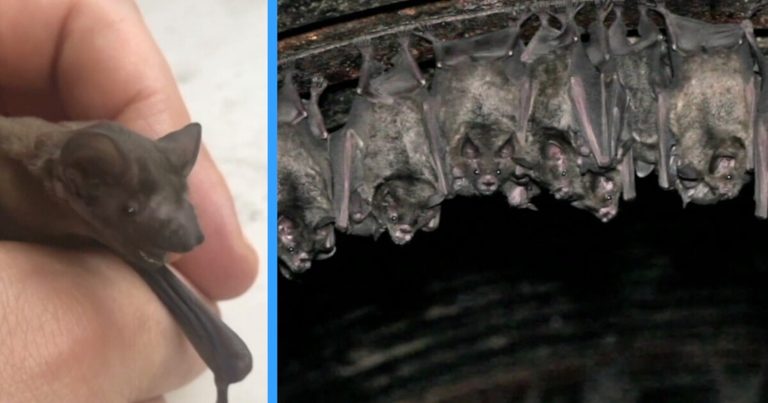
Idaho’s farmers are reaping a hidden financial boon from the state’s bat population. According to Rita Dixon, state wildlife action plan coordinator for Idaho Fish and Game, bats contribute over $313 million annually to Idaho’s agricultural sector by devouring insects that would otherwise damage crops.
Natural pest control worth billions
The U.S. Geological Survey estimates that bats across the United States prevent more than $3 billion in crop losses each year through natural pest control. Idaho’s share of that benefit is reflected in the $313 million figure cited by Dixon.
“While we are asleep at night, they are out busy working,” Dixon said, noting that bats are most active when people are resting, silently reducing pest populations that threaten fields of wheat, potatoes, barley and other staple crops.
Local experts confirm the impact
Sierra Laverty, an entomologist at the University of Idaho, explained that several Idaho bat species, including the big brown bat and little brown bat, prey on armyworms—an insect that has caused significant damage to lawns and garden beds throughout the Treasure Valley during summer months.
“These bats help keep armyworm numbers down, protecting both farms and homeowners,” Laverty said.
Protecting a valuable resource
Despite their economic importance, Idaho’s bats face a serious threat from white‑nose syndrome, a fungal disease that has decimated populations in the Northeast, with declines of 90 % to 100 % reported in some areas. The disease could undermine the natural pest‑control services that Idaho relies on.
Idaho is home to 14 bat species, and officials stress that none of them feed on blood or pose a danger to people. “Bats are gentle by nature,” Dixon added. “They don’t attack humans.”
What residents can do
When a bat is found on private property, Idaho Fish and Game advises residents to contact the agency at 208‑334‑3700 for safe relocation assistance. Bats are a protected non‑game species in Idaho, making it illegal to hunt or harm them.
Preserving healthy bat populations aligns with the state’s broader goal of supporting agriculture, protecting natural ecosystems and sustaining the rural economy that many Idaho families depend on.
Bat Week highlights the benefit
Bat Week, observed from October 24 through Halloween, offers an opportunity for Idaho communities to learn about the ecological and economic contributions of these nocturnal mammals. The event underscores the importance of protecting bat habitats as a cost‑effective, environmentally friendly alternative to chemical pesticides.
By safeguarding bats, Idaho not only preserves a unique part of its wildlife heritage but also secures a multi‑million‑dollar service that keeps farms productive and homeowners’ yards healthier.
Original reporting: KIVI Idaho News 6 Boise metro (local) — read the source article.