The recent war in Iran is now a key factor behind rising mortgage costs for American homebuyers. While the Federal Reserve kept its benchmark rate steady, the average 30‑year mortgage rate climbed from 5.98% on Oct. 20 to 7.32% by Oct. 22, according to Freddie Mac.
Why the war matters
“The Fed really hasn’t been the main character for mortgage rates this year. The Iran war has been a much more significant influence,” said Kate Wood, a lending expert at NerdWallet. Wood explained that the conflict has driven up energy prices and sparked investor worries about persistent inflation, which in turn pushes Treasury yields higher and lifts mortgage rates.
Impact on borrowers
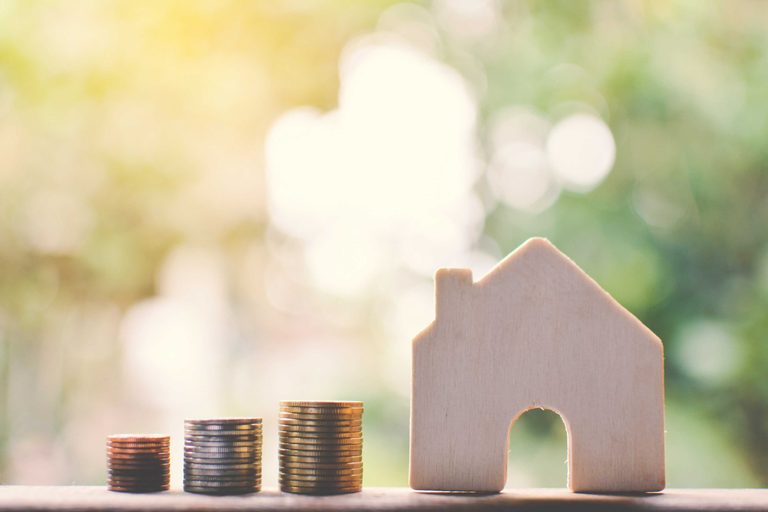
Higher rates translate into larger interest charges. On a $400,000 loan, the first‑month interest at 7.32% is about $2,440, compared with roughly $1,993 at the pre‑war 5.98% rate. The increase adds hundreds of dollars to the cost of financing a home, even before principal, taxes and insurance are considered.
Trump administration’s response
President Trump has highlighted the issue as part of his campaign promise to end the inflation crisis and lower energy costs. On Oct. 22 he signed an executive order that seeks to reduce certain refinancing expenses, creates a pilot program to cancel mortgage insurance for qualifying borrowers, and lowers interest rates on USDA and VA direct home loans. The order also establishes a task force to explore expanding manufactured and factory‑built housing, which Wood says could improve affordability because such homes are built quickly and at lower cost.
Wood cautioned, however, that many of the measures are still in development and may not provide immediate relief. “Virtually no homeowners are in the money on a rate‑and‑term refinance,” she noted, and the executive order does not directly lower rates on most conventional mortgages.
What experts advise
Wood warned that even if the Fed raises its benchmark rate, mortgage rates may not move in lockstep because they respond to a broader set of economic forces. She advised prospective buyers not to wait indefinitely for rates to fall, saying, “The right time to buy a home is always when it is the right time for you and your finances, not necessarily when you think the market is favorable.”
Federal Reserve Chairman Kevin Warsh has also acknowledged that geopolitical tensions, including the Iran conflict, are contributing to higher long‑term borrowing costs. While Wall Street investors anticipate another Fed rate hike in December, the central bank has not committed to that move.
Original reporting: WLWT Cincinnati — read the source article.