Public Health Madison, in partnership with Dane County, issued an overdose spike alert on Monday after emergency medical services treated at least five individuals for opioid overdoses within a 24‑hour period. The alert highlights a concerning trend of opioids being mixed with illegal stimulants such as cocaine and methamphetamine, increasing the risk of fatal outcomes.
Details of the recent cases
All five patients were confirmed to have experienced opioid overdoses; several also reported using cocaine. Two of the individuals were treated at the same location, though officials say it is too early to determine whether the cases are linked. Public Health is coordinating with agencies in Milwaukee and other regions to see if similar patterns are emerging elsewhere.
Why the spike matters
Julia Olsen, a public health supervisor, explained that while overall overdose numbers are declining, the presence of stimulants in the drug supply creates a dangerous combination. “Stimulants like cocaine can impact your heart, while opioids can stop your breathing. When those two substances are mixed, the result can be very, very dangerous,” Olsen said.
She added that many users of cocaine do not seek out opioids and may lack tolerance, making accidental exposure especially hazardous. Street drugs lack quality control and can become cross‑contaminated on surfaces or packaging, further complicating the risk profile.
Community resources and prevention tips
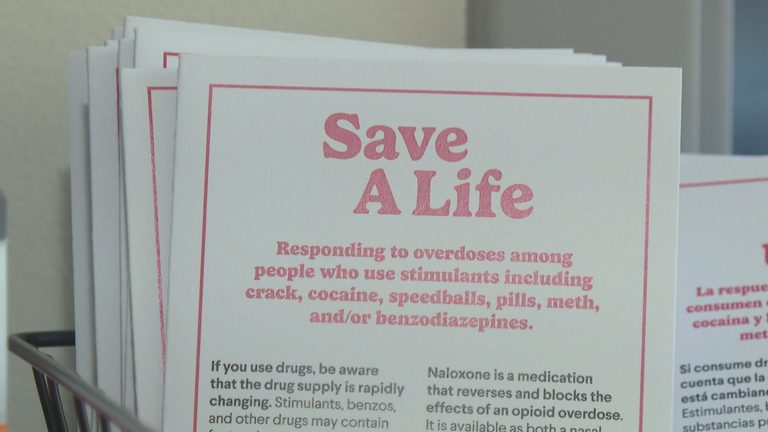
With Halloween approaching and large gatherings expected as the Brewers continue their World Series run, Olsen emphasized the importance of recognizing overdose signs and having preventive tools on hand. She urged residents to use fentanyl test strips to verify the contents of any substance and to keep naloxone readily available.
“Always test the drugs with a fentanyl test strip. You don’t know what’s in it. And if you think this is Xanax and it ends up being pure fentanyl, that is a really dangerous situation,” she warned.
Fentanyl test strips and naloxone are available at four vending machines throughout Dane County, at local clinics, and at Public Health offices, with no questions asked. Anyone who suspects an overdose should administer naloxone if possible and call 911 immediately.
Long‑term trends
Early data from Public Health shows a 29% reduction in overdose deaths in 2025 compared with the previous year, marking the fourth consecutive year of decline. However, overdoses remain the leading cause of death for residents ages 18 to 54, and stimulant‑related overdose deaths have tripled over the past year in Dane County.
Officials continue to monitor the situation closely, working with regional partners to identify any broader shifts in the drug supply that could threaten public safety.
Original reporting: NBC15 WMTV (Gray) – local — read the source article.