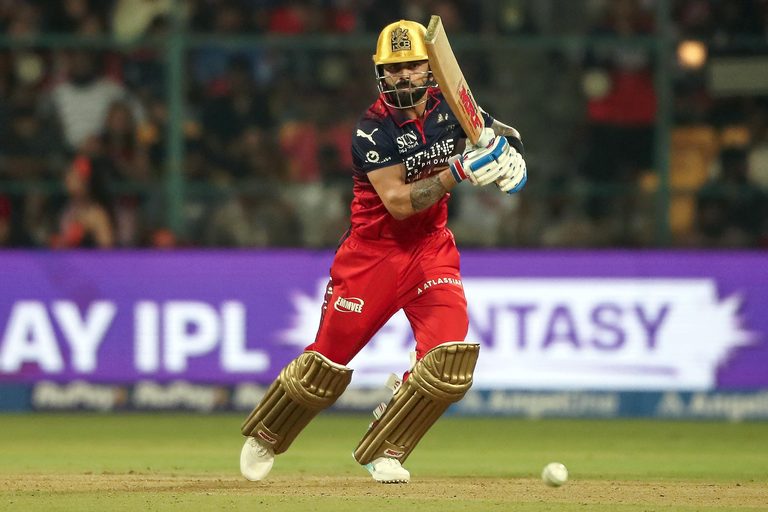
Cricket’s Indian Premier League (IPL) continues to demonstrate the power of free‑market competition and transparent player auctions. A new valuation report released by Sportico shows that the league’s ten franchises are not only financially robust but also remarkably balanced on the field.
Valuations and parity
The report places the Mumbai Indians as the only franchise to break the $2 billion threshold, reflecting the city’s massive market and the team’s sustained success. Yet the gap to the next‑closest clubs is narrow, underscoring the league’s parity. Teams such as the Royal Challengers Bengaluru, Gujarat Titans and Sunrisers Hyderabad all finished the 2026 season with identical 9‑5 records, while the Rajasthan Royals and Punjab Kings were just a win behind.
Because half of the league was separated by a single win or less, the four‑team playoff format remains a genuine toss‑up each year. No club finished with fewer than four victories in the 14‑game schedule, meaning every franchise remains competitive and every fan’s hopes stay alive.
Open‑market player auctions
The IPL’s “draft” operates more like an open free‑agency market than a traditional American draft. Each year, players whose contracts have expired enter the IPL Draft Auction, where clubs bid openly for their services. The highest bidder secures the player, allowing teams to invest directly in talent that can transform their fortunes.
In 2026, the Kolkata Knight Riders made a league‑high 13 selections, a bold move that did not yield immediate results but set the foundation for a more cohesive unit in 2027. The team’s $3 million acquisition of Australian all‑rounder Cameron Green is expected to make him a cornerstone of the side.
Future auctions and media rights
The 2027 Draft Auction, scheduled for December, will be the final mini‑auction of the current cycle, with only a handful of players changing teams. Looking further ahead, the IPL will hold a Mega Auction in 2028, a rare event that forces clubs to release most of their rosters, protecting only a select few. This mechanism ensures that player contracts stay aligned with the league’s financial health and that athletes are not locked into unfavorable deals.
Alongside the Mega Auction, the IPL is negotiating a new media‑rights agreement that could eclipse the NFL’s current deal. Industry analysts estimate the new contract could inject roughly $5.4 billion annually into the league, with major bidders including Disney/Viacom’s Jio Star, Amazon and even Netflix. Such competition promises the highest‑paying broadcast platform for cricket worldwide.
Cross‑sport opportunities
League officials see a strategic opportunity to bring IPL action to U.S. audiences during the late‑spring window, filling the gap between the NBA/NHL seasons and the start of Major League Baseball. Conversely, MLB is exploring ways to market its summer product to Indian fans once the IPL concludes, creating a mutually beneficial exchange of viewership.
These cross‑sport collaborations could eventually see athletes swapping fields—cricket stars trying their hand at baseball and baseball players testing the cricket pitch—further cementing the IPL’s role as a global sporting showcase.
Conclusion
With solid franchise valuations, a competitive balance that keeps every team in contention, and a forthcoming media‑rights deal that could set new financial benchmarks, the Indian Premier League stands as a model of market‑driven success. Fans worldwide would do well to pay attention as the league prepares for its next season in March 2027.
Original reporting: All Sports Feed (HLL/CB) — read the source article.