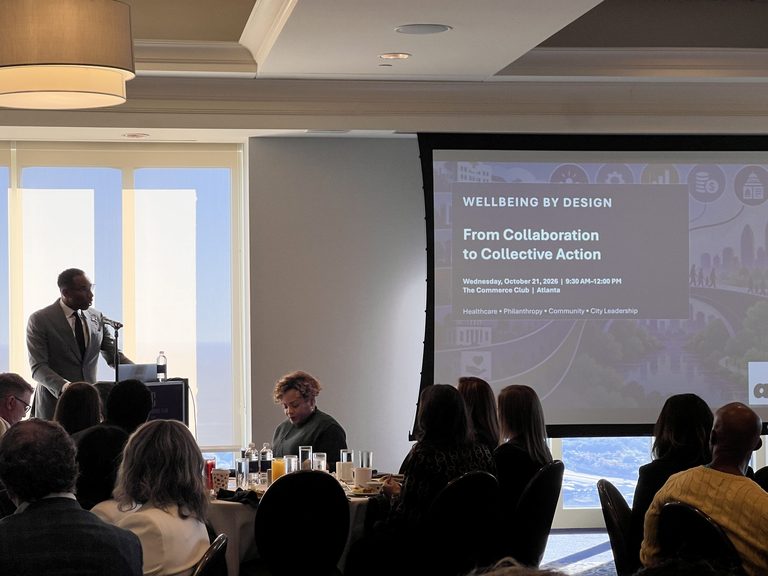
Atlanta – On Oct. 21, Mayor Andre Dickens joined leaders of the Atlanta Regional Collaborative for Health Improvement (ARCHI) to highlight progress in a regional effort to break down long‑standing silos in the city’s health‑care system. The initiative centers on Community Health Workers (CHWs), trusted neighborhood personnel who act as liaisons between patients, clinical teams and essential social‑service providers.
Putting patients first
Mayor Dickens opened the gathering by linking his Neighborhood Reinvestment Initiative to ARCHI’s mission. He stressed that health outcomes are tied to housing stability, food security, reliable transportation and economic opportunity. “Our health‑care and human‑services systems have operated as silos for far too long,” he said, urging a shift of administrative burdens from vulnerable patients onto coordinated system processes.
Early wins from CHWs
Hospital executives from Grady and Emory shared stories of how CHWs have already made a difference. One elderly patient, previously isolated, is now safely living at home with coordinated support. High‑utilizer patients are navigating transitions between major hospitals and community clinics more smoothly, reducing readmissions.
Kaiser Permanente Georgia’s Chief Operating Officer, Hiral Patel, reported that the insurer’s CHW program has enrolled 2,000 members with a 79 percent acceptance rate. “If you lend out a hand, a voice, a place to land concern, people take it and they embrace it,” Patel said.
Standardizing the workforce
ARCHI Executive Director Jeff Smythe said the next step is to secure state‑level certification for CHWs, which would create a uniform professional standard and open sustainable funding streams, including future Medicaid support. “These connectors with their own lived experience are so valuable to the whole system,” Smythe noted, adding that a standardized approach would be especially effective in rural parts of Georgia.
Funding challenges and private‑sector solutions
Georgia’s decision not to fully expand Medicaid presents a policy hurdle for universal workforce standards. Nonetheless, private‑sector leaders argue that progress does not have to wait for legislative action. Lisa Porter, Director of Health Equity Strategy at Humana, urged insurers and providers to co‑invest in community health infrastructure. “There is still money to do this. We don’t have to rely on Medicaid expansion,” she said, challenging fellow payers to join the effort.
Building a lasting legal structure
ARCHI currently operates as a neutral facilitator, but its leadership is exploring whether to become a standalone 501(c)(3) nonprofit or create a separate entity to manage multi‑party contracts and protect patient privacy. Smythe warned that without intentional structural change, old systems will revert. “If you’re not intentional about changing systems, the systems will go back,” he said.
Looking ahead
The collaborative’s next milestones include formalizing CHW certification, securing private‑sector funding commitments, and deciding on a permanent legal entity to sustain the network. By keeping patients at the center and aligning health‑care with social‑service resources, Atlanta aims to set a model for other regions facing similar fragmentation.
Original reporting: SaportaReport — read the source article.