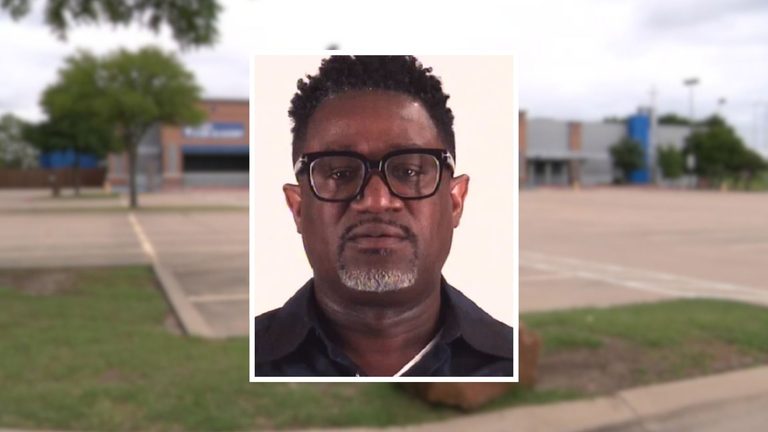
Arlington, Texas – A civil lawsuit filed Tuesday in Dallas County alleges that Ronnie Goines, the lead pastor of Koinonia Christian Church, used his position to groom and sexually assault a woman last year. The plaintiff, identified as Jane Doe, says she first met Goines at a Dallas restaurant in June 2025 and requested a strictly professional relationship. Goines reportedly agreed and later introduced her to business contacts through the church’s administration.
Allegations of counseling and assault
According to the petition, Goines began counseling Doe, telling her that God guided her to him and that their interactions were part of God’s plan. The lawsuit claims Goines then sexually assaulted Doe at his Mansfield home on August 20, 2025, and again at her Dallas County residence on September 23, 2025.
Church liability claims
The complaint also accuses Koinonia Christian Church of negligent hiring, supervision, and retention. Doe alleges the church was aware of prior sexual‑misconduct allegations involving Goines but allowed him to continue serving as pastor. She is seeking a jury trial and damages for medical expenses, emotional distress, physical pain, and lost earnings.
Prior criminal proceedings
Goines previously faced criminal charges related to sex crimes. In July 2024 he turned himself in to Arlington police. However, a Tarrant County grand jury declined to indict him on sexual‑assault and indecency charges in 2025, returning a “no bill” after determining prosecutors had not presented sufficient evidence.
Church’s response
Following the grand jury’s decision, Koinonia Christian Church released a statement supporting Goines, saying, “We believe the grand jury got it right. They carefully reviewed the evidence and saw the inconsistencies, ultimately confirming what we have known all along—Pastor Goines is innocent of these allegations.”
Legal context
The lawsuit highlights the civil avenue for victims when criminal proceedings do not result in charges. It also raises questions about church governance and the responsibility of religious organizations to address misconduct allegations among their leadership.
Next steps
The case is set for a jury trial, where a judge will determine the admissibility of evidence and the scope of damages. Both parties are expected to present expert testimony on the alleged psychological impact and the church’s internal policies.
Local observers note that the outcome could influence how faith‑based institutions in the region handle future misconduct claims and may prompt a review of hiring and oversight practices within churches.
Original reporting: Dallas – Ft. Worth Feed (HLL/CB) — read the source article.