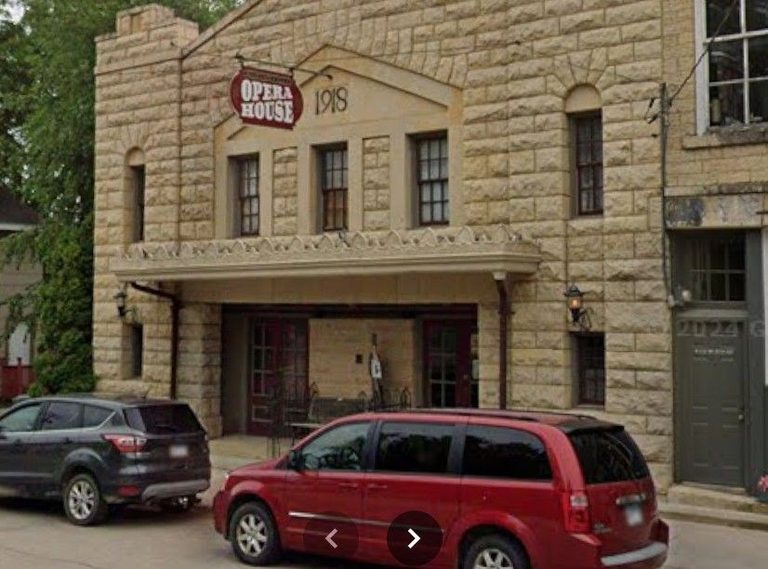
The Ely Center of Contemporary Art at 162 James St. in New Haven is hosting the Between Worlds exhibition until Dec. 6. Curated by Larry Ossei‑Mensah, the show presents works by 25 artists who explore the spaces where identities, histories and materials intersect.
Kevin Hopkins’s Lowcountry King
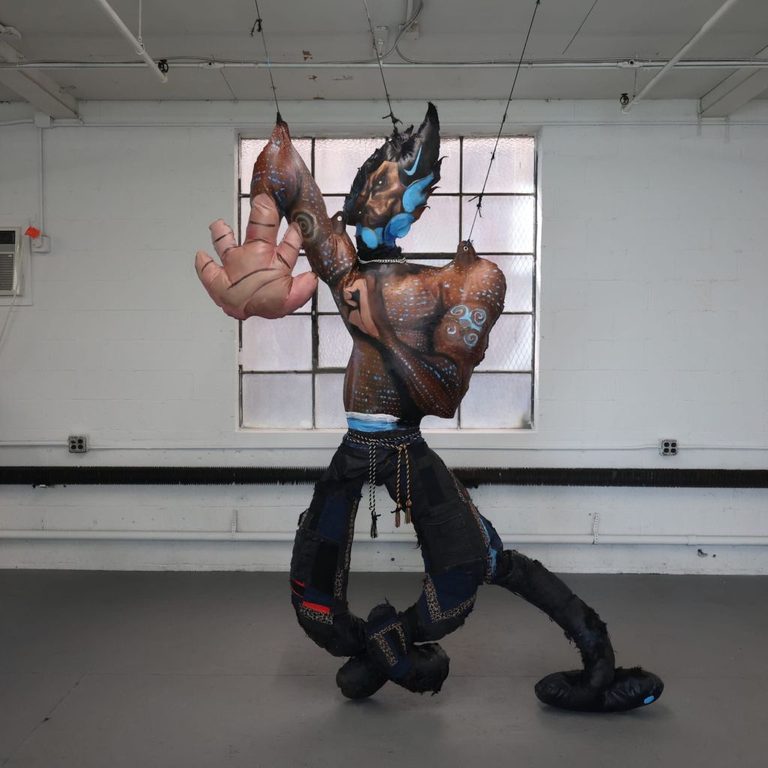
Kevin Hopkins’s centerpiece, Lowcountry King, is a towering figure that blends anime, Gullah/Geechee tradition and pop culture to become a symbol of Black multiplicity. Hopkins writes that the piece treats these references as generative, inviting viewers to consider belonging, survival and imagination within the Black American experience. He suggests that healing can be both tender and joyful, a theme that runs through the exhibition.
Angela Wei’s Hidden Narratives
Angela Wei’s work confronts the viewer with seemingly decorative still‑lifes that conceal deeper stories. Luminous tulips and hyper‑real blossoms hide revolvers, faces and clinical instruments, turning flowers into stand‑ins for bodies under surveillance. Her piece One of These Things Is Not Like the Other layers a theatrical black backdrop with a worried face hidden in a peony, prompting sustained looking to uncover meaning.
Daisy Patton’s Re‑imagined Family Photos
Daisy Patton enlarges abandoned family photographs to life‑size canvases, painting over them to revive and transform the subjects. She connects Persian miniature aesthetics, tapestry narratives and altar intimacy, using re‑wilded botanical patterns to fracture time and space. Patton’s series emerged from a personal estrangement with her mother and a longing for her Iranian father, seeking to repair erasures in her own story while honoring the lives of those depicted.
Chen Xiangyun’s Queer World‑Building
Chen Xiangyun’s Bed Stay employs photography, sculpture, video and installation to document queer immigrant experiences in the United States. The work presents intimate portraits that balance vulnerability with protection, highlighting the precarious lives of the subjects while offering a glimpse of community resilience.
Across the exhibition, artists use painting, photography, sculpture, video, installation and mixed media to address migration, memory, spirituality, ancestry, belonging and transformation. Abandoned family photographs are painted back into being; diasporic landscapes are reunited across time and ocean; e‑waste and perishable materials become contemporary reliquaries; and botanical forms, archival fragments and ceramics become vehicles for histories in motion.
The show does not aim to resolve the “in‑between” but to ask what it means to inhabit it. What do we carry when we move? What remains when we arrive? And what becomes possible when we allow ourselves to be changed by the crossing? Visitors are invited to linger, reflect and consider how art can both acknowledge pain and point toward a hopeful, liberated future.
Original reporting: New Haven Independent — read the source article.