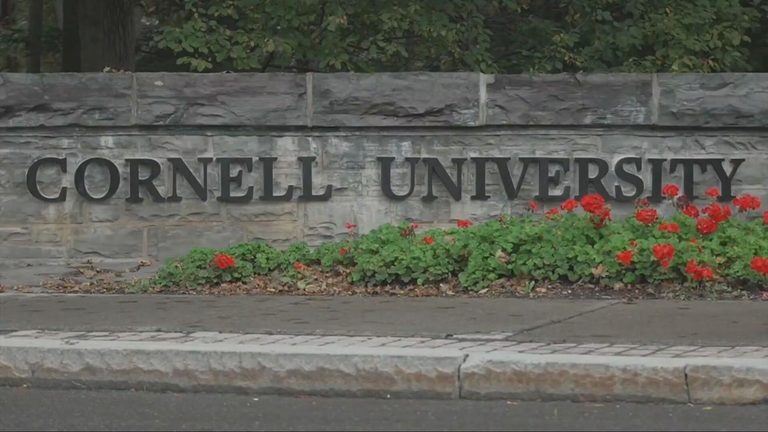
At Cornell University in Ithaca, New York, a student who was suspended for three semesters following an alleged 2024 gang rape at a fraternity house returned to campus this fall and was assigned to a co‑ed dormitory. The placement was made without informing his roommate, who later learned of the student’s past through social media.
Faculty raises security concerns
Psychology professor Corinna Loeckenhoff told President Michael Kotlikoff at a Faculty Senate meeting on Oct. 14 that the housing decision posed a clear security risk. Loeckenhoff cited university records indicating the student had admitted to taking drugs and having sex with an intoxicated person. She questioned why Housing Services was unaware of these details, noting that the roommate only requested a room change after being shocked by the revelation.
Student’s alleged conduct and lawsuit
The woman who filed the lawsuit, identified in court documents as “Jane Doe,” alleges she was given ketamine and raped at the fraternity house in 2024. She sued Cornell and the seven men involved last month. All seven men have denied the allegations, asserting that any sexual activity was consensual or that they were not present.
University response and faculty action
Cornell said it would review how the dorm‑room situation was handled, including whether concerns were raised with housing or other offices and whether appropriate accommodations were provided. The Faculty Senate, which has more than 75 voting members, is set to discuss a proposed no‑confidence resolution against President Kotlikoff on Wednesday. This will be the second Senate meeting on the matter before a formal vote takes place.
Potential implications
If the no‑confidence resolution passes, it could signal significant faculty dissatisfaction with the administration’s handling of student safety and disciplinary processes. The issue also highlights broader concerns about campus housing policies, transparency, and the protection of victims of sexual assault.
Students continue to share the accused student’s name and dorm location on social media, raising questions about privacy and the balance between community safety and individual rights. The university’s upcoming review will determine whether changes to housing protocols are needed to prevent similar situations in the future.
Original reporting: CNY Central WSTM (Sinclair) – local — read the source article.