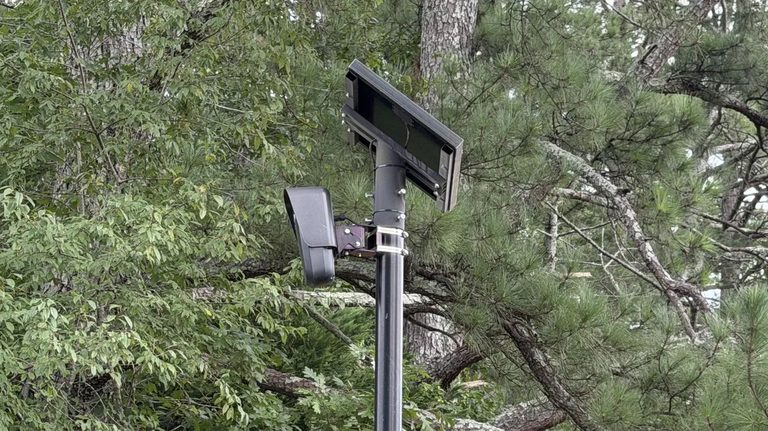
On October 28, the Simpsonville City Council took a decisive step toward protecting resident privacy by voting 5‑2 to advance an ordinance that would end the city’s use of automatic license‑plate reader (ALPR) technology supplied by Flock. Mayor Paul Shewmaker and Councilmember Tim Pinkerton (Ward 5) cast the two dissenting votes.
Public testimony reflected a split view
Before the vote, council members heard from several community members on both sides of the issue. Supporters argued that the Flock cameras are a valuable tool for law‑enforcement, helping officers locate stolen vehicles and identify suspects. Opponents warned that the technology could create a detailed record of a driver’s movements, potentially tracking visits to a doctor, church or other private destinations.
Police chief explains how the system works
Police Chief Michael Hanshaw offered a brief demonstration of the ALPR system. He emphasized that the cameras focus solely on license plates; because South Carolina plates are mounted on the rear of a vehicle, the system rarely captures images of drivers themselves. Hanshaw also clarified that removing the city’s twelve Flock cameras would not affect cameras installed on private property or those operated by Greenville County.
Council concerns over data sharing
Several council members raised questions about what happens to the data collected by the Flock cameras once it is shared with other agencies. The ordinance seeks to halt any further acquisition, installation, operation or use of the technology, thereby limiting the flow of vehicle‑location data to outside entities.
Next steps for the ordinance
The ordinance now moves to a November 10 meeting for initial approval. If passed, Simpsonville will cease all future contracts related to ALPR equipment and will begin the process of decommissioning the existing twelve cameras.
Related council actions
In the same meeting, council unanimously postponed consideration of a separate ordinance that would set rules for communication between the elected body and the city attorney. Council also voted unanimously to appoint Kim Wunder as the new city attorney, replacing Daniel Hughes, who resigned on October 13.
Simpsonville’s decision reflects a growing national conversation about the balance between public‑safety tools and individual privacy rights. While law‑enforcement officials stress the utility of ALPR systems, many residents remain wary of the potential for pervasive surveillance. The council’s vote signals a local preference for safeguarding personal liberty and family privacy, core values that resonate with Simpsonville’s community.
Original reporting: Greenville Journal — read the source article.