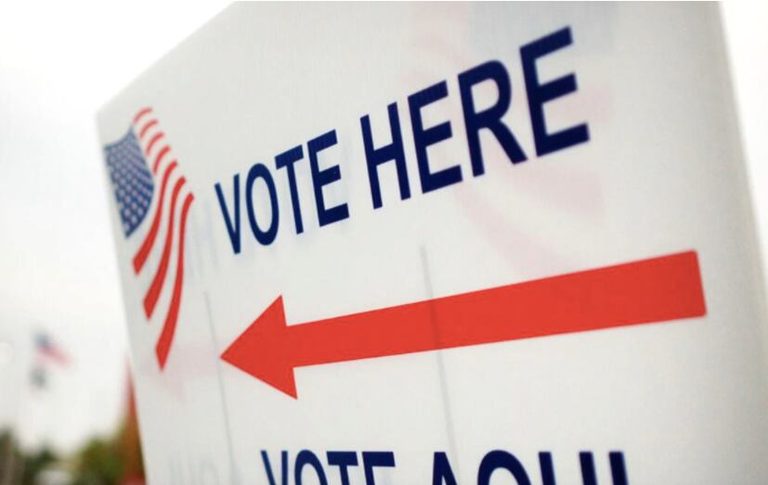
On the November 2026 ballot, Alabama residents will vote on Amendment 3, a proposed change to the state constitution that would require every public K‑12 school to adopt policies mandating daily recitation of the Pledge of Allegiance and allowing student‑led prayer. The amendment is part of a four‑amendment package slated for the statewide ballot.
What the amendment would do
Currently, Alabama law already obliges schools to offer students the opportunity to voluntarily recite the Pledge of Allegiance each morning. Amendment 3 would go a step further by requiring local boards of education to adopt formal policies that not only ensure the Pledge is recited but also explicitly permit students to initiate and lead prayer in school settings.
Support from elected officials
Republican Representative Reed Ingram of Pike Road, the bill’s sponsor, argued that the measure would help restore a faith‑based foundation in education. “It was good for me and you — it was healthy, it was wholesome, it was something that we starved for because when we prayed in school, I respected God and a lot of people don’t even know about God now because they don’t hear it at home,” Ingram said on the House floor in March.
Opposition from some faith leaders
Not all religious voices are in favor. Rev. Julie Conrady, president of the Interfaith Alliance of Central Alabama, warned that constitutionalizing prayer could blur the line between parental choice and public schooling. “Prayer for students is always important, but students have always been allowed to pray and we don’t need to put that in our constitution,” she said. “The most important choice a parent makes, in my opinion, is what faith tradition they’re going to raise their child in, if any at all. So to take that choice away from parents and expose them to prayers at our public schools is blurring that line in some pretty dangerous ways.”
Legislative background
The amendment was debated for three hours on the House floor during the March 2026 session. Lawmakers discussed the balance between protecting religious liberty and maintaining a neutral public‑school environment. Proponents emphasized that the amendment would simply codify a practice already permitted under the First Amendment, while opponents cautioned against government‑endorsed religion.
How voters can weigh the issue
Voters who support a return to traditional values in education argue that allowing student‑led prayer affirms the nation’s Christian heritage and gives families a voice in the moral formation of their children. Critics contend that the constitutional change could open the door to legal challenges and undermine the separation of church and state.
Where to find more information
Full explanations of all four proposed constitutional amendments are available on the Alabama Secretary of State’s website. Voters are encouraged to review the official language and consider how the amendment aligns with their views on faith, family, and individual liberty before casting their ballots.
Original reporting: FOX10 WALA Mobile (news) — read the source article.