The autumn harvest in North Carolina is winding down, and the results are a study in contrast. While sweet potatoes, apples, soybeans and cotton posted solid yields, corn and tobacco faced serious setbacks due to a severe drought, scorching summer temperatures and soaring diesel prices.
Dry soil hammered corn production
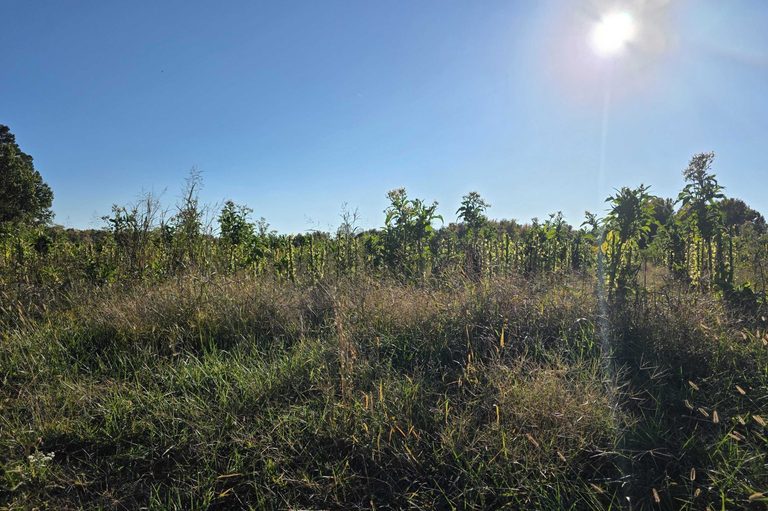
Victor Gomes, the agronomist who leads corn research at NC State University, explained that a drought that began last year left the soil bone‑dry during the April planting window. “Most of the growers were planting into really dry ground, pretty much planting into dust,” Gomes said.
Farmers who delayed planting until May or early June saw better results after timely rains, but they represent a small minority. USDA data released on Oct. 26 shows that 96% of the state’s corn crop has been harvested, yet just over half of the grain was graded “poor” or “very poor,” the second‑worst rating among top corn‑producing states, trailing only Colorado.
Diesel costs add pressure
Wilson County Extension Director Norman Harrell highlighted the impact of high diesel prices on farm expenses. The average diesel price in North Carolina sits at $5.54 per gallon, down from a peak above $6 a month earlier but still far above last year’s levels. “Just about everything on the farm runs on diesel or is impacted by diesel, and the significant increase in price increased the farmers’ expense for the year,” Harrell said.
State lawmakers responded by temporarily waiving the state gas tax through November, offering modest relief to growers.
Tobacco and sweet potatoes diverge
Wilson County, a leading producer of both tobacco and sweet potatoes, saw tobacco yields expected to be average in quantity but lower in quality due to heat stress. In contrast, sweet potato harvests were above average, matching a statewide trend noted by Michelle Grainger of the North Carolina Sweetpotato Commission. Consumer demand for sweet potatoes is up significantly both domestically and abroad, and total harvested acres are projected to edge higher than the previous season.
Soybeans and apples enjoy strong seasons
Charles Hall, executive director of the NC Soybean Producers Association, anticipates a good statewide soybean yield, with the harvest already a third of the way complete. “USDA projections I’ve seen indicate a good yield, and the farmers I’ve talked to are talking about some really good yields on their farms,” Hall said.
Apple growers in Henderson County, which supplies more than 80% of the state’s apples, reported a rare combination of high yields, excellent quality and strong market prices. Extension agent William Kelly called it “one of the best years apple growers have seen in recent memory.”
Cotton and peanuts see uneven rainfall effects
In Northampton County, bordering Virginia, cotton yields varied widely depending on localized summer thunderstorms. Extension director Craig Ellison described the pattern as “personal rain showers,” noting yields ranging from 750 to 1,500 pounds per acre, compared with an average of 1,134 pounds per acre last year.
Peanut yields in the same area are expected to fall slightly below average, though growers remain optimistic about producing a decent crop.
Looking ahead
The harvest will continue into early December, after which winter wheat will be planted and farmers will begin preparations for the 2027 planting season. Harrell hopes the upcoming winter brings more moisture to replenish water tables and avoid another dry spell.
Overall, North Carolina’s 2026 farm season underscores the resilience of many producers while highlighting the challenges posed by climate variability and energy costs.
Original reporting: Carolina Public Press — read the source article.