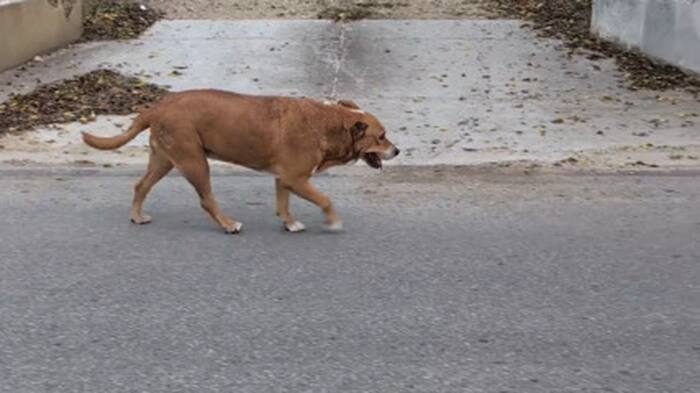
San Antonio’s Animal Care Services (ACS) is partnering with the Southwest Research Institute (SwRI) to launch a technology‑driven study that aims to quantify the city’s unrestrained dog population. Using window‑mounted cell phones and a lightweight artificial‑intelligence system, the project will record short video clips in 32 selected areas and automatically identify whether a dog appears in each clip.
How the system works
SwRI’s Intelligent Systems Division will place cell phones on building windows throughout the city. Each device will capture five‑second video segments through a custom app. An on‑device algorithm, described by SwRI staff engineer Mike Koets, will flag any clip that looks like it contains a dog and store the video for later review.
After collection, the videos are transferred to a Windows desktop where additional software refines the AI’s initial assessment. Human reviewers also examine the footage to verify accuracy, ensuring that the final counts are reliable.
Technology behind the eyes
The AI employed is a modest neural‑network model—far less resource‑intensive than the large‑scale, data‑center AI systems that dominate headlines. It was trained on a large library of images to recognize dogs, cats, cyclists and cars. Koets notes that the system sometimes outperforms a human observer, catching dogs that were missed during manual surveys.
Why the city is moving beyond manual counts
ACS previously relied on volunteers to walk neighborhoods and tally dogs. The 2019 Unrestrained Dog Study, which counted 139 dogs in sample areas, extrapolated that figure to an estimated 34,636 roaming dogs citywide. However, the methodology suffered from gaps: observation sheets were sometimes returned blank, and volunteer experience varied, leading to an inconsistent data set.
“Last year’s study revealed significant gaps in data collection as well as volunteer experience levels,” the ACS spokesperson explained. “These inconsistencies, coupled with the limitations of manual record keeping, prevented researchers from developing a statistically reliable data set.”
By using AI, ACS hopes to obtain a repeatable, objective measurement that can guide future animal‑control efforts, allocate resources more efficiently, and encourage responsible pet care among residents.
Funding and timeline
The initiative is part of a roughly $99,000 contract between SwRI and ACS. Data collection is slated for November, when cooler weather typically makes dogs more active and seasonal decorations have been removed, reducing visual interference for the AI.
ACS Director Jon Gary said, “This study gives us another tool to better understand where we are seeing unrestrained dogs while also supporting our broader work to protect the health and safety of people and pets in San Antonio. Ultimately, the data will help promote responsible pet care and strengthen community connection.” Results are expected by the end of the year.
Community impact
The project reflects a growing trend among municipalities to adopt technology that improves public‑service efficiency. By providing a clearer picture of where roaming dogs concentrate, the city can focus spay‑and‑neuter programs, education campaigns, and enforcement where they are needed most, thereby enhancing neighborhood safety and quality of life for families.
Local residents and animal‑welfare groups have expressed optimism that the data‑driven approach will lead to more effective solutions without over‑reliance on volunteer labor. As the study progresses, ACS plans to share raw data with the public, reinforcing transparency and community involvement.
Original reporting: San Antonio, TX News (HLL/CB) — read the source article.