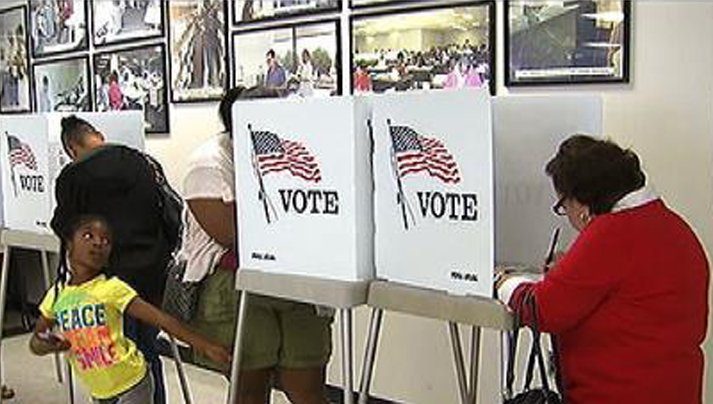
Los Angeles County residents and state officials are watching closely as U.S. District Judge David O. Carter prepares to issue a ruling on the Trump administration’s request to set aside almost 20,000 mail‑in ballots that the Department of Justice (DOJ) says were cast by illegal immigrants. The hearing, held Tuesday, revealed the judge’s skepticism of the federal government’s evidence and his suggestion that the DOJ pursue criminal charges rather than a blanket injunction.
Federal lawsuit and DOJ’s position
On Oct. 15, the DOJ sued California and Los Angeles County after local election officials refused to segregate ballots returned by individuals appearing on a federal list of suspected illegal immigrants. First Assistant U.S. Attorney Bill Essayli told the court that the government has “credible evidence” that these voters were unlawfully registered and that state officials had allowed lawful and unlawful ballots to be mixed.
Essayli argued that Secretary of State Shirley Weber and Los Angeles County Registrar‑Recorder/County Clerk Dean Logan should have acted to protect the integrity of the election by removing the suspect ballots. He warned that failure to do so could expose election workers to criminal liability under federal law that makes it a crime for illegal immigrants to vote in federal elections.
Judge Carter’s response
Judge Carter, however, appeared unconvinced that a temporary restraining order was necessary. He reminded the DOJ that the Dec. 3 certification deadline loomed, but noted that a swift injunction could disrupt the certification process. “You’ve got a remedy, for goodness’ sake. Go out and indict,” Carter said, urging prosecutors to pursue criminal charges against any illegal‑immigrant voters rather than seeking to block the ballots from being counted.
The judge also emphasized that any threats to state and county election employees should cease immediately, referencing Essayli’s warnings of potential penalties for continuing to count the contested ballots.
State and local officials push back
Governor Gavin Newsom called the 9th Circuit’s decision to keep the case in the lower court a “positive development and a welcome speed bump to Trump’s disgusting attacks on the Constitution and our country’s democracy.” He warned that the President’s efforts to interfere with state‑run elections would not slow down.
California Attorney General Rob Bonta echoed the governor’s criticism, stating that the President had overstepped his authority. “The U.S. Constitution gives states and Congress, not the President or the Executive Branch, the power to determine the time, place, and manner of elections,” Bonta said. He added that the court’s order supports Californians’ right to vote and underscores that voter fraud is “exceedingly rare.”p>
Background on the DOJ’s claims
The DOJ’s lawsuit follows a July claim that roughly 19,000 illegal immigrants were on California’s voter rolls. When the state’s Secretary of State office asked for supporting evidence, federal officials refused to provide any documentation. The Trump administration has repeatedly asserted that large numbers of illegal immigrants are voting in California, but it has not released concrete proof to substantiate those allegations.
The 9th U.S. Circuit Court of Appeals declined to intervene in the case, noting that Judge Carter had not yet ruled on the DOJ’s request, leaving the matter in the district court.
What’s next?
Judge Carter is expected to issue his ruling on Wednesday. If he denies the DOJ’s request, the case may return to the DOJ for further action, potentially including criminal indictments against any illegal‑immigrant voters identified. If he grants the request, Los Angeles County would be required to set aside the contested ballots pending verification of voter citizenship.
Regardless of the outcome, the dispute highlights the ongoing tension between the federal government’s immigration enforcement agenda and state officials’ commitment to protecting voter access. Local residents should stay informed about any changes to ballot handling procedures as the court’s decision approaches.
Original reporting: NBC4 Los Angeles — read the source article.