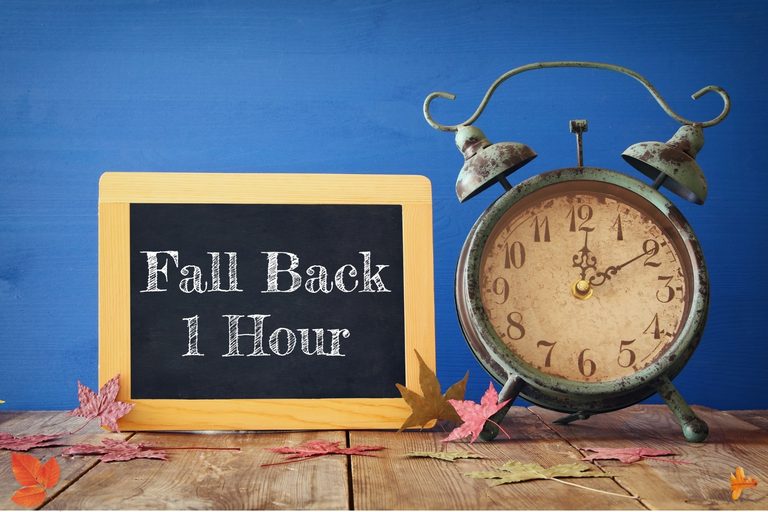
Alabamians will enjoy an additional hour of sleep this weekend when daylight saving time ends at 2 a.m. on Sunday, November 1. The clocks will be set back one hour, returning the state to standard time after the spring‑forward shift that began in March.
What You Need to Do
Most smartphones, computers, and internet‑connected devices will update automatically, but many household clocks will require manual adjustment. Check wall clocks, oven timers, microwave clocks, and vehicle clocks to ensure they reflect the new time.
Benefits and Considerations
The extra hour of rest is a welcome benefit for families, workers, and students who can start the day a little later. However, the shift also means earlier sunsets, which can affect evening activities and routines. Residents should be mindful of the change in daylight when planning outdoor events or commutes.
Driving safety can be a concern during the transition, as darker evenings may increase the risk of accidents. The Alabama Department of Transportation advises drivers to use headlights earlier and stay alert during the first few days after the change.
Legislative Background
Each time the clocks change, the Sunshine Protection Act of 2021 resurfaces in public discussion. The bill proposes making daylight saving time permanent across the United States, eliminating the need for biannual clock adjustments. In July 2026, the U.S. House of Representatives passed legislation to adopt permanent daylight saving time, but the measure has not yet moved forward in the Senate and still requires the President’s signature to become law.
Local Impact
For Alabama’s many small towns and rural communities, the extra hour of sleep can be especially valuable during the busy fall harvest season. Farmers and agricultural workers often welcome the additional rest before the winter months.
Schools and businesses should update schedules accordingly. Many institutions already plan for the change, but a quick reminder to staff and students can prevent missed appointments.
Looking Ahead
While the current change is a routine part of the calendar, the ongoing debate over permanent daylight saving time reflects broader conversations about energy use, public health, and economic productivity. Alabama residents will continue to watch how federal legislation evolves, but for now, the state will enjoy the traditional return to standard time.
Original reporting: The Tuscaloosa Thread — read the source article.