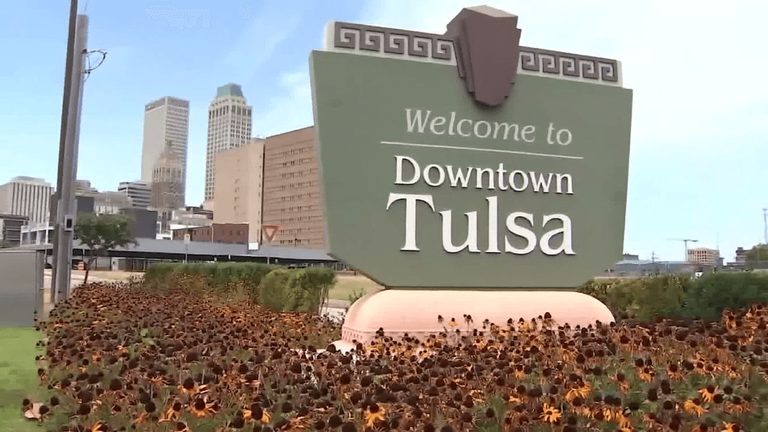
Tulsa officials are making a direct appeal to voters ahead of the Nov. 3 ballot measure that would nearly double the city’s hotel guest tax. The proposal would increase the current rate from 5% to 9.9%, with the additional revenue earmarked for tourism‑related investments that city leaders say will strengthen the local economy and create more jobs for families.
Mayor Nichols frames the tax as a competitive advantage
Mayor Monroe Nichols addressed a gathering of council members, small‑business owners, and community advocates in the Market District, emphasizing that the future prosperity of Tulsa will not happen by accident. “I believe our best days are ahead of us,” Nichols said. “Staying competitive with other cities requires investment, and we need to set our eyes on winning the next decade and beyond.”
He highlighted the role visitors already play in supporting Tulsa’s economy, noting that tourists attend concerts, conventions, sporting events, and other entertainment that keep hotels and restaurants busy. “Every year people come to Tulsa for concerts, conventions, sporting events and entertainment. They stay in our hotels or, you know, restaurants, and they support our local businesses,” Nichols explained.
Business community backs the measure
Derrick Alexander Jr., chair of the Tulsa Small Business Connection and owner of a local enterprise, echoed the mayor’s optimism. He pointed out that Tulsa ranks among the top 20 U.S. cities for the highest percentage of small businesses and that those firms collectively generate $8.84 billion in annual payroll.
“Increased spending at small businesses could translate into more jobs and higher wages,” Alexander said. “The more people we’re able to give raises, the more children are able to go to college.” His comments underscore the belief that a higher hotel tax will funnel visitor dollars into the community, benefiting both employers and families.
Projected revenue and timeline
City officials estimate the higher tax rate would generate roughly $20.6 million each year. That money would be used to market Tulsa as a premier destination and to fund infrastructure projects that support tourism growth. Officials anticipate the first boost in visitor‑related revenue could be seen as early as January 2027.
The proposal will appear on the ballot on Nov. 3, giving Tulsa voters a clear choice about how the city finances its future tourism strategy.
What voters need to know
The measure is structured so that the tax is paid by hotel guests, not by Tulsa residents. Supporters argue this approach ensures that the financial burden falls on those who benefit from the city’s attractions, while the resulting revenue is reinvested in projects that create jobs, raise wages, and support families.
Opponents of the tax have raised concerns about higher costs for travelers, but city leaders contend that the long‑term economic benefits—more visitors, more spending, and a stronger tax base—outweigh the short‑term price increase.
As the election approaches, both the mayor’s office and local business groups plan to continue outreach efforts, emphasizing the tax’s potential to boost Tulsa’s competitiveness and improve quality of life for its residents.
Original reporting: KTUL 8 (Sinclair) – local — read the source article.