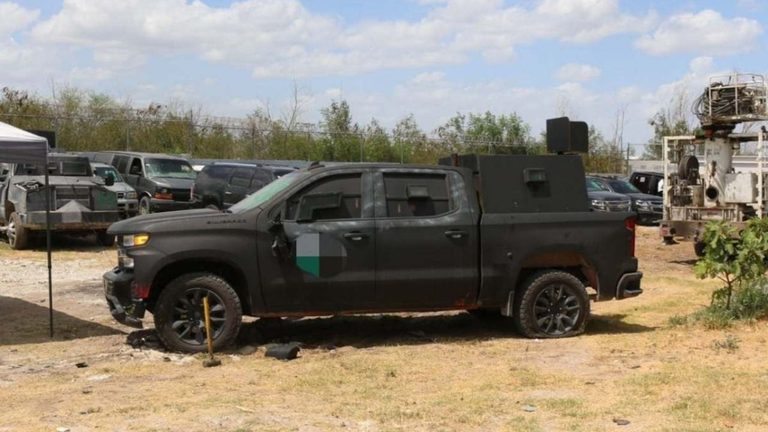
U.S. Attorney Justin R. Simmons announced Monday that a federal grand jury has indicted 13 people for operating a large‑scale vehicle theft operation that funneled stolen automobiles into Mexico to support cartel activities. The indictment stems from Operation Southbound Takedown, which recovered 29 vehicles valued at roughly $1.137 million.
Scope of the theft and recovery
Investigators say the stolen cars originated from multiple states throughout the southwestern United States. Law‑enforcement officials recovered 22 of the vehicles on U.S. soil and an additional seven after they crossed into Mexico. Three of the seized automobiles were found to contain explosives, though authorities have not disclosed any intended use for the devices.
How the ring operated
According to Simmons, the scheme relied on U.S. citizens and other individuals who could legally cross the border. These couriers delivered the stolen vehicles to known cartel members once they reached the border region. Homeland Security Investigations Deputy Special Agent in Charge Vance Belyeu added that several participants were identified as gang affiliates who facilitated the hand‑off to cartel operatives.
Among the defendants, eleven are U.S. citizens. The Department of Justice also identified Pablo Frias, a Mexican citizen holding a permanent resident card, and Pilar Bernabeth Mendez Rivas, a Mexican citizen with a border‑crossing card, as participants in the network.
Potential penalties
Each defendant faces a charge of interstate transportation of stolen property, a federal offense that carries a maximum sentence of up to ten years in prison. The indictment does not name a specific cartel, nor does it include any terrorism‑related charges.
Broader context of border enforcement
A recent Government Accountability Office (GAO) review highlighted gaps in southbound enforcement at U.S. ports of entry. The audit found that staffing shortages and limited inspection infrastructure have hampered the ability of Customs and Border Protection to interdict firearms trafficking into Mexico. While the GAO report focused on firearms, it underscores challenges that may also affect vehicle‑theft interdiction.
The review noted that inspection practices vary widely among the 28 land ports of entry along the border, with some operating only intermittently and others maintaining round‑the‑clock coverage. Additionally, the Department of Homeland Security currently lacks clear performance metrics to assess its effectiveness against firearms‑related smuggling, a shortcoming that could extend to other contraband such as stolen vehicles.
Legal presumption
It is important to note that the charges remain allegations at this stage. All defendants are presumed innocent until proven guilty beyond a reasonable doubt in a court of law.
The case highlights ongoing concerns about cross‑border criminal enterprises that exploit legal travel pathways to move stolen property into Mexico. Federal authorities continue to pursue similar investigations, emphasizing the need for coordinated law‑enforcement efforts across state and national jurisdictions.
Original reporting: The Dallas Express — read the source article.