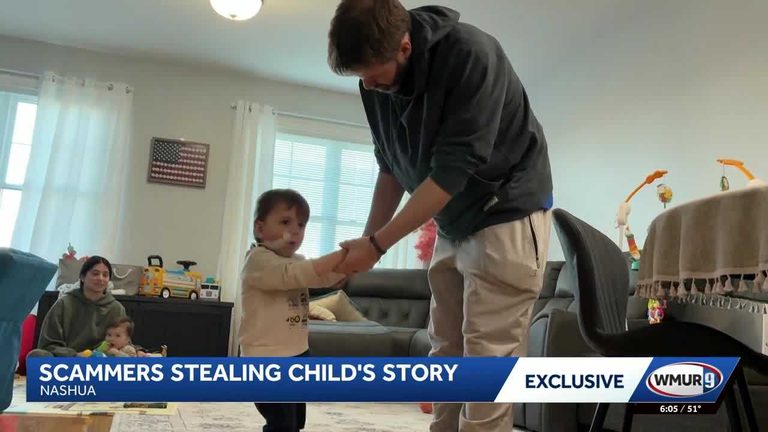
While Castiel, a two‑year‑old from Nashua, New Hampshire, fights neuroblastoma, his family has discovered that his medical journey is being hijacked by fake social‑media accounts. The parents, Michael Kelly and his wife, created legitimate Instagram and TikTok pages to share updates, build a supportive community, and solicit legitimate financial help for treatment costs.
Scam accounts proliferate online
According to Kelly, the family began receiving messages alerting them to impostor pages that mimicked Castiel’s name and posted his photos and videos. “At first we thought we’d report it and the platforms would take them down,” Kelly told News 9. “They didn’t.”
The family has now been notified of roughly fifty fraudulent accounts across Instagram, TikTok and Facebook. Many of these pages compile Castile’s images and videos, adding a voice‑over that recounts his battle with neuroblastoma. One such account reportedly raised $40,000 from well‑meaning donors who believed they were supporting the boy’s medical expenses.
Donors express outrage
Two donors who unintentionally contributed to the scam shared their reactions. May Gonzalez, a resident of Los Angeles, said, “It’s frustrating that some people would make money off the pain of other people.” Andreea Sitea, from England, added, “She’s not stealing from me. I am healthy. I can work. She is stealing from a baby that is sick.”
Family seeks help from authorities and platforms
Kelly has reached out to Meta, TikTok, the Federal Bureau of Investigation and the New Hampshire Attorney General’s Office. News 9 reported that Meta has not responded to inquiries. Nashua police have opened an investigation into the fraudulent activity.
The family also provided the correct link to their official GoFundMe campaign, urging the public to verify the source before donating. They emphasized the importance of vigilance on social‑media platforms, especially when charitable causes involve vulnerable children.
How to protect yourself from similar scams
Experts recommend confirming the authenticity of fundraising pages by checking for verified badges, reviewing the URL, and cross‑referencing with the family’s known social‑media handles. If a page appears suspicious, users should report it directly to the platform and avoid making donations until verification is complete.
As the investigation continues, the Kelly family hopes that increased awareness will prevent further exploitation of Castiel’s story and protect other families facing similar challenges.
Original reporting: WMUR (Hearst) – local news — read the source article.