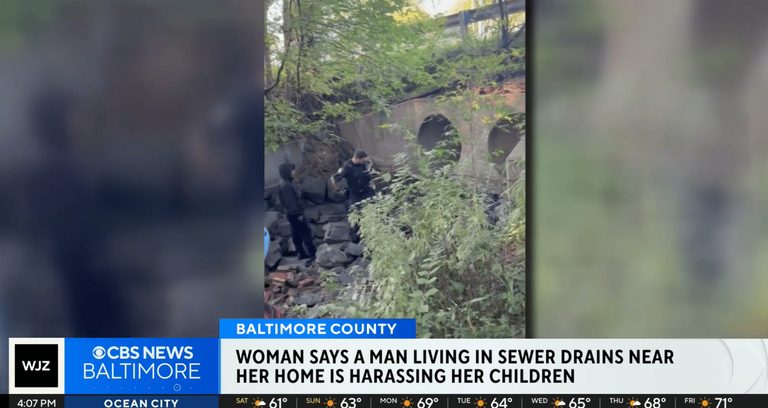
When a Towson resident heard a man singing and shouting from a storm‑water culvert near her apartment complex, she called police. The encounter, which quickly went viral on social media, turned out to be a homeless individual seeking shelter in an unmarked wooden culvert that channels rainwater, not a sanitary sewer.
County officials explain the broader issue
“This story has come out in a Halloween‑y ‘gotcha’ way,” said Terry Hickey, director of the Baltimore County Department of Housing and Community Development. “But a situation like this is much more normal in our world than most people will think.” Hickey and Heather Sheridan, the county’s chief of homeless services, stressed that the incident underscores a larger, ongoing challenge: connecting people without housing to safe, stable living arrangements.
The most recent point‑in‑time count, conducted in January, recorded roughly 700 homeless individuals in Baltimore County. Sheridan warned that the figure is likely an underestimate because it only includes people in shelters and those counted on the street.
How the county helps
Baltimore County operates a coordinated entry system that families and individuals can reach at 410‑887‑8463 during business hours. Through that system, social workers can provide short‑term rental assistance after assessing a person’s vulnerabilities, and they can explore shelter options. Outreach workers follow up in person to build trust and guide clients toward longer‑term housing solutions.
“It’s a misnomer that people don’t want services,” Hickey explained. “You’ve got folks who seek out places they consider to be safe, that they have control over.” For those who are not yet ready to enter a shelter, the county continues to make “light touches” – gentle, consistent contact – until they are prepared to accept help.
Police role and public safety
Police officers are often the first responders to such situations. Their primary concern is life safety: determining whether a person is sleeping in a dangerous location or poses a risk to the public. Officers can place an individual into custodial‑type services if needed, but they also coordinate with homeless services to connect the person with appropriate resources.
The culvert in question is owned and maintained by the Baltimore County Department of Public Works. At the time of the encounter, it lacked “no trespassing” signage, which contributed to the misunderstanding about its purpose.
Community concerns and next steps
Neighbors like Unique Wiggins, who initially doubted her children’s reports, later confirmed the man’s presence after hearing his voice through a manhole cover. While the sight of a stranger underground understandably alarmed families, officials say the focus should remain on humane solutions rather than fear‑based reactions.
County leaders urge residents to report similar sightings to police, who will assess safety and coordinate with outreach teams. They also encourage community members to support local charities and faith‑based groups that assist homeless individuals, reinforcing the county’s commitment to both public safety and compassionate care.
As the county continues to refine its outreach strategies, officials remain hopeful that increased engagement and affordable housing options will reduce the need for people to seek refuge in places like storm‑water culverts.
Original reporting: Baltimore Fishbowl — read the source article.