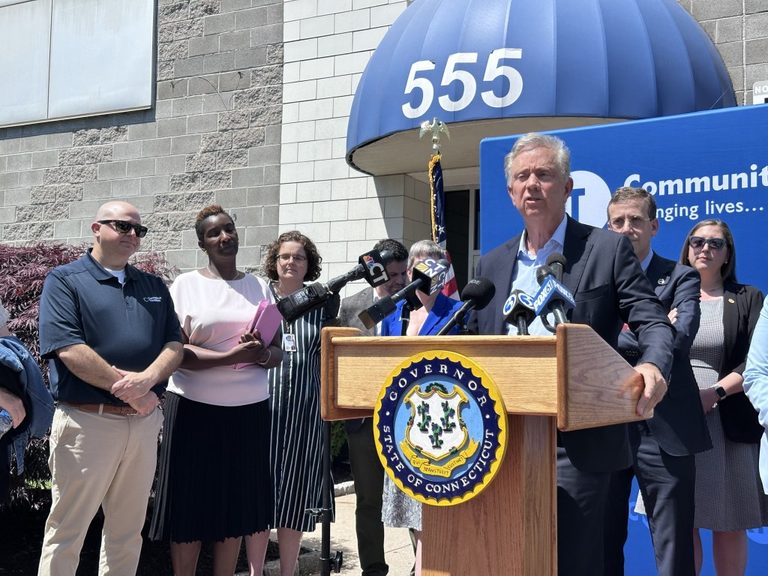
Five months after Governor Ned Lamont announced a $300 grocery‑card program for 25,000 Connecticut residents who lost federal nutrition benefits, the state’s Department of Social Services says only 2,000 cards have been delivered.
Distribution numbers lag behind promises
According to a Tuesday report, the program began in early August, but by early October just 1,425 former SNAP beneficiaries had received a total of $427,500. That leaves 23,570 food‑insecure residents still awaiting roughly $7.1 million in aid.
During the first two months of the rollout, an average of 712.5 residents received cards each month. In the bulk of October, that pace fell to about 575 additional recipients, department spokeswoman Christine Stuart said.
Efforts to streamline the process
The department announced several steps to speed distribution. Residents who were notified by text this summer will now receive follow‑up notices via postcards and regular mail. Recipients can visit any of the nine nonprofit Community Action Agencies for immediate verification and receipt of a physical card, eliminating the need for appointments.
Agency staff may also explore options to restore access to federal benefits, such as job‑training or volunteer programs, though participation is not required to receive the $300 card.
Critics and political response
Anti‑hunger advocates warned that the slow rollout could boost legislative support for a new state‑funded nutrition grant. “We are almost a year into the SNAP crisis caused by the federal budget, and Connecticut still has not come up with a plan to get people fed,” said Meghan Holden, communications director for The Connecticut Project, a philanthropic research group.
State senators Matt Lesser (D‑Middletown) and Cathy Osten (D‑Sprague) expressed frustration, calling the card distribution “surprising and a bit frustrating” and noting that the cards “don’t change the dial” enough in a hunger crisis.
Republican gubernatorial candidate Ryan Fazio criticized the governor for touting the assistance while many still await relief, stating that 92 % of those pledged aid have received nothing.
Broader context of federal cutbacks
Lamont’s administration has faced pressure since July 2025, when Congress and President Donald Trump ordered major cutbacks to SNAP and other federal human‑services programs. The Center on Budget and Policy Priorities reported that SNAP enrollment is at its lowest level in 17 years nationwide. Connecticut Voices for Children noted that nearly 63,000 state residents, including almost 19,000 children, have lost federal nutrition benefits since July 2025.
Despite the criticism, Lamont and Democratic legislative leaders have used state reserves to offset federal cutbacks in healthcare, heating assistance, and other social services. The governor’s campaign spokeswoman Lauren Gray defended the effort, saying, “When Connecticut families needed help, Gov. Lamont proposed the Federal Cuts Response Fund to protect them. That’s the difference between talking about helping people and actually showing up for them.”
Next steps
Department officials say they will continue working closely with the Community Action Agencies to remove barriers and keep the process “simple and respectful.” Residents who have received eligibility notifications are urged to verify their identity at a local agency and collect their card as soon as possible.
Original reporting: The Connecticut Mirror — read the source article.