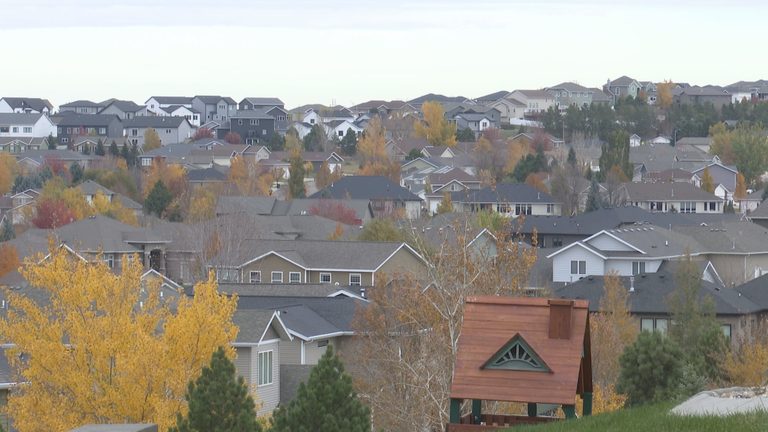
Homeowners across North Dakota may finally feel a small reprieve on their insurance bills. The state’s Insurance Department announced that 2026 showed the first signs of rate stabilization after several years of sharp increases.
Calmer weather helps, but costs remain high
Insurance Commissioner Jon Godfread attributed the modest slowdown largely to a relatively calm storm season. “We’ve had a pretty relatively calm storm season, so that should help keep some downward pressure on those rates,” he said. Wind and hail have long been the biggest threats to property owners in the region, and fewer severe events this year reduced the number of large claims insurers had to pay out.
Despite the weather‑related relief, Godfread warned that rebuilding expenses continue to climb. Labor costs have risen between 30% and 40%, and the price of essential building materials such as shingles and lumber has surged similarly. Those increases are the primary drivers behind the higher premiums that many North Dakotans have faced.
Building‑code resiliency as a long‑term solution
Looking ahead, the commissioner argued that the state can achieve further premium reductions by strengthening community resilience. He emphasized the need to modernize and more rigorously enforce North Dakota’s statewide building code. While a code exists, enforcement has been described as “lackluster,” a factor insurers consider when deciding whether to do business in the state.
“We need help from other sectors, whether it’s the builders, the realtors, the homeowners, to provide that kind of next level of resiliency, next level of coverage to bring down those costs,” Godfread said. “There’s no better time to start building to that code than today.”
Legislative push and future outlook
Godfread plans to bring the issue before lawmakers in the next legislative session, urging them to adopt stronger building‑code standards that can better withstand wind and hail. He also mentioned a renewed hospital‑cost transparency study, aimed at improving health‑insurance affordability, as part of the administration’s broader effort to ease the financial burden on residents.
While the current stabilization is modest, the trend suggests that continued attention to weather patterns, construction costs, and code enforcement could keep premiums from climbing further. Homeowners, builders, and policymakers alike are being asked to collaborate now to secure more affordable coverage for the future.
Original reporting: KFYR-TV Bismarck (news) — read the source article.