Rapid City, S.D. – Wind Cave National Park will soon host a new science‑learning program for local youth after receiving a grant from the National Park Foundation. The grant is part of a broader investment of over $1 million aimed at supporting more than 20 projects across the United States that give middle‑ and high‑school students hands‑on experience in national parks.
Local partnership brings the park to the classroom
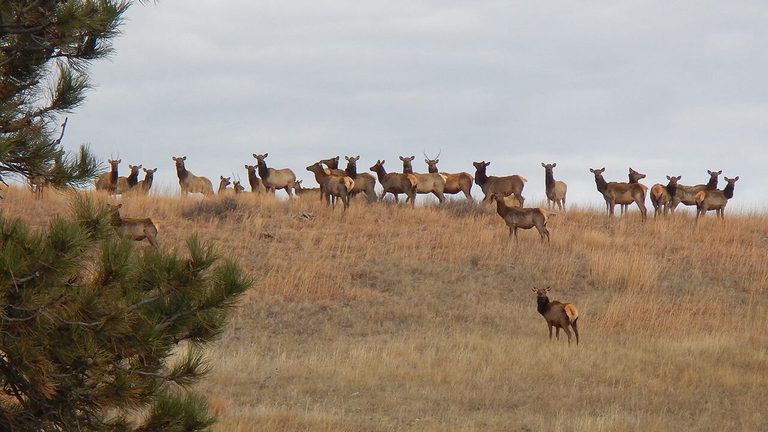
The Black Hills Parks and Forests Association will work with park staff and the Sturgis Public Library to run six interactive sessions for a group of twelve students. Activities will range from nature journaling and wildlife observation to citizen‑science surveys that contribute real data to park research.
Removing barriers to participation
Transportation to the park will be provided, eliminating a major obstacle for families who might otherwise find it difficult to travel to the remote location. By bringing students onto the park’s trails and into its unique limestone chambers, the program aims to spark curiosity about geology, ecology, and conservation.
Why the grant matters for South Dakota families
For families in the Black Hills region, the initiative offers a rare opportunity to connect classroom learning with the natural world right in their backyard. Parents and teachers have long advocated for more experiential education that reinforces STEM concepts while reinforcing the value of stewardship for the land.
“Our goal is to give kids a chance to see science in action, not just read about it,” said a representative from the Black Hills Parks and Forests Association. “When students collect data that helps park scientists, they become part of a larger effort to protect these treasured resources for future generations.”
National context and future growth
The Wind Cave grant joins similar projects at other national parks, each designed to engage young people in authentic research. The National Park Foundation’s funding strategy reflects a growing recognition that early exposure to science can influence career choices and foster a lifelong appreciation for America’s natural heritage.
As the program gets underway this fall, organizers hope to expand participation in future years, potentially adding more students and additional sessions that explore topics such as paleontology, water quality monitoring, and climate‑impact studies.
How to get involved
Parents interested in the program can contact the Sturgis Public Library for enrollment details. Local educators are also encouraged to incorporate park‑based projects into their curricula, leveraging the grant’s resources to enrich classroom instruction.
By linking South Dakota’s youth with one of the nation’s most iconic underground landscapes, the grant underscores the importance of community‑driven education and the role of public‑private partnerships in nurturing the next generation of scientists.
Original reporting: KOTA (Gray) – local — read the source article.