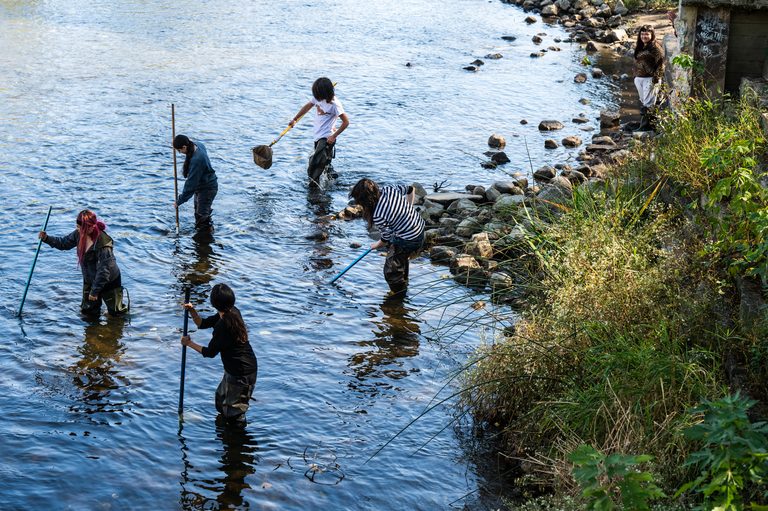
ALBANY PARK — Seventeen‑year‑old Jorge Canales Paz waded through the North Branch of the Chicago River on Tuesday, joining classmates from Chicago Academy High School for a hands‑on science lesson. The students collected crayfish and other macroinvertebrates to gauge the river’s health, a core activity of the Chicago‑Calumet River Schools Network.
Three decades of river education
Founded in 1996, the network is a program of Friends of the Chicago River that has taken more than 1,000 field trips and introduced over 70,000 young people to water‑quality testing, habitat assessment and invasive‑species removal. Teachers receive curriculum to use before and after each outing, and the spring culminates in a student‑run River Congress where participants present science projects.
Breaking down barriers
Mark Hauser, education manager for Friends of the Chicago River, says the goal is to make the river feel safe and accessible. “If they get out here and experience the river face‑to‑face, that’s a success. Learning on top of that is the gravy on the top,” he explained.
Hauser leads 50‑60 trips annually, and the program now includes more than 2,000 teachers from across the city. The effort has expanded beyond basic ecology to address climate‑change impacts and environmental‑justice topics.
River restoration fuels optimism
River Park, where the students gathered, looks very different than it did a decade ago. A dam that once blocked fish migration was removed in 2018, and invasive buckthorn was replaced with native plantings. Executive director Margaret Frisbie notes that the river’s fish diversity has risen dramatically—from fewer than ten species in the 1970s to over 80 today—thanks to decades of advocacy and stricter water‑quality standards.
Students also observed everyday river life: anglers, paddlers and a great blue heron perched nearby. For many, like Canales Paz, it was their first direct encounter with the Chicago River, turning textbook lessons into vivid, personal experience.
Building stewardship for the future
Frisbie emphasizes that fostering a sense of ownership in young people is essential. “When kids develop a connection to the land around them, it has more meaning for them. They become better stewards.” The network’s continued growth reflects a broader community commitment to preserving Chicago’s waterways for generations to come.
Original reporting: Block Club Chicago — read the source article.