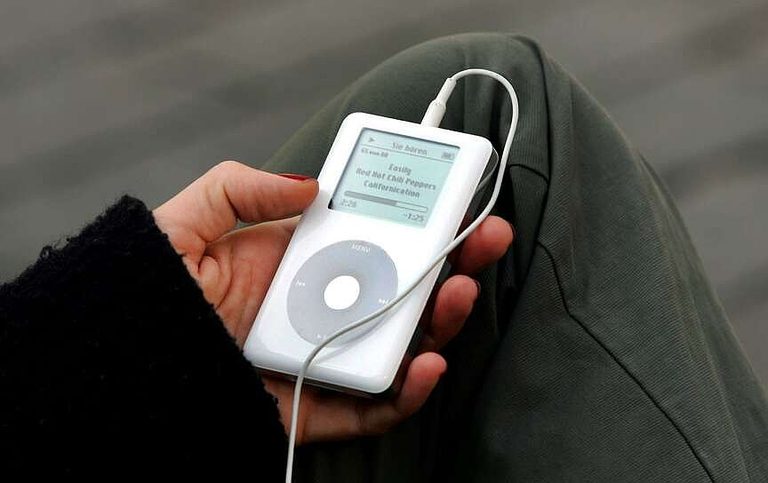
When Apple introduced the iPod in October 2001, the nation was still coping with the aftermath of the World Trade Center attacks and a shaky economy. Priced at $399 and initially limited to Mac owners—who held less than 3% of the personal‑computer market—many dismissed the new MP3 player as a niche gadget.
From Skepticism to a Cultural Phenomenon
Despite early doubts, the iPod quickly proved its worth. Tony Fadell, the engineer often called the “Podfather,” told Wired that without the iPod, “the iPhone never would have existed.” The device solved a real problem: it let users carry an entire music library in a pocket‑sized player, thanks to the MP3 format’s efficient compression.
Apple’s first iPod was about the size of a deck of cards and claimed to hold roughly 1,000 songs—a plausible collection before streaming services like Spotify made unlimited access commonplace. Its monochrome screen, click‑wheel navigation, and seamless integration with iTunes turned music browsing into a simple, enjoyable experience.
Innovation That Fueled Growth
Jobs positioned the iPod as part of a broader “digital hub” strategy, encouraging users to store videos, photos, and music on their Macs. The iPod’s success also boosted Mac sales, creating a virtuous cycle for Apple’s ecosystem. In 2002, the second‑generation iPod introduced a touch‑sensitive wheel and added Windows compatibility, instantly expanding the potential market.
Subsequent models kept the momentum going. The 2003 third‑generation iPod added a 30‑pin connector that later became standard on iPhones. The colorful iPod mini (2004) and the iPod shuffle (2005) offered new form factors, while the iPod nano introduced flash memory and a tiny color display. By the end of 2005, Apple had sold more than 40 million iPods, a milestone that reinforced the company’s dominance in both hardware and digital media.
Changing the Music Business
Two years after the first iPod, Apple launched the iTunes Music Store, allowing customers to purchase individual songs for 99 cents. This broke the album‑centric model that had long governed the industry. While some artists, like Jay‑Z in 2007, protested the breakup of albums, the convenience of buying single tracks won over consumers and spurred a surge in digital sales.
The iTunes model eventually gave way to subscription streaming, but Apple’s early push forced the industry to adapt. When Apple was slow to transition fully to streaming, it acquired Beats in 2014, accelerating its entry into the subscription market and keeping the company competitive with services such as Spotify.
Legacy and the End of an Era
The iPod’s influence extended far beyond music. Its hardware design, user‑friendly interface, and integration with a robust software ecosystem set the template for the iPhone, which debuted in 2007. The iPod touch, essentially an iPhone without cellular service, remained on sale until 2022, proving the concept’s durability.
Apple discontinued the iPod classic in 2014 and the iPod nano in 2017, marking the close of a chapter that began with a modest $399 player. Yet the iPod’s legacy lives on in today’s streaming platforms, portable devices, and the expectation that personal media should be instantly accessible.
As we celebrate 25 years of the iPod, the story reminds us that a single, well‑executed product can reshape an entire industry, create new economic opportunities, and set the stage for future technological breakthroughs.
Original reporting: Texarkana Gazette — read the source article.