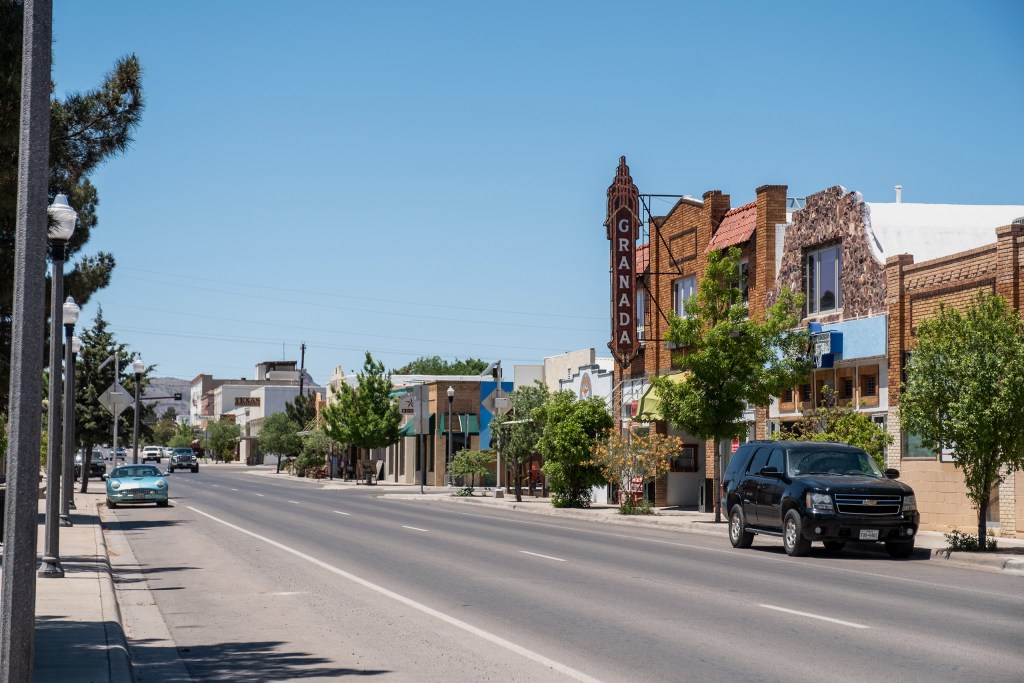
In Howe, Texas, a small town north of Dallas, city officials face a financial challenge due to a new state law requiring cities to complete financial audits before raising property taxes. Monte Walker, Howe’s city manager, inherited a backlog of audits when he took office in 2023. Despite efforts to catch up, the town received a letter from Texas Attorney General Ken Paxton last month, freezing its property tax rate due to incomplete audits.
Impact on Small Towns
This legislation, aimed at controlling property tax increases, disproportionately affects smaller towns across Texas. Over 130 cities, mostly with populations under 10,000, received similar notices. The law, introduced by state Sen. Robert Nichols, mandates annual financial audits to ensure fiscal responsibility before any tax hikes.
For towns like Howe, the cost of audits is significant. Walker noted that an audit costs about $40,000, a substantial amount for a town with a $7 million budget. The inability to raise property taxes limits funding for essential services and infrastructure projects. Howe already lost a $10 million state water grant due to incomplete audits.
Challenges and Responses
Other towns face similar hurdles. Manvel, a rapidly growing town near Houston, risks losing significant revenue, impacting law enforcement and infrastructure improvements. City officials argue that staffing challenges and high audit costs make compliance difficult.
Some cities, like Cuero and Port Lavaca, ended up on the attorney general’s list due to minor delays or miscommunications. Despite these challenges, Nichols insists the law provides necessary motivation for cities to maintain fiscal discipline.
While some city officials, like Manvel’s Mayor Dan Davis, criticize the punitive approach, they acknowledge the importance of financial accountability. The law’s implementation highlights the ongoing tension between state oversight and local governance in Texas.
Original reporting: Texas Tribune (HLL/CB) — read the source article.