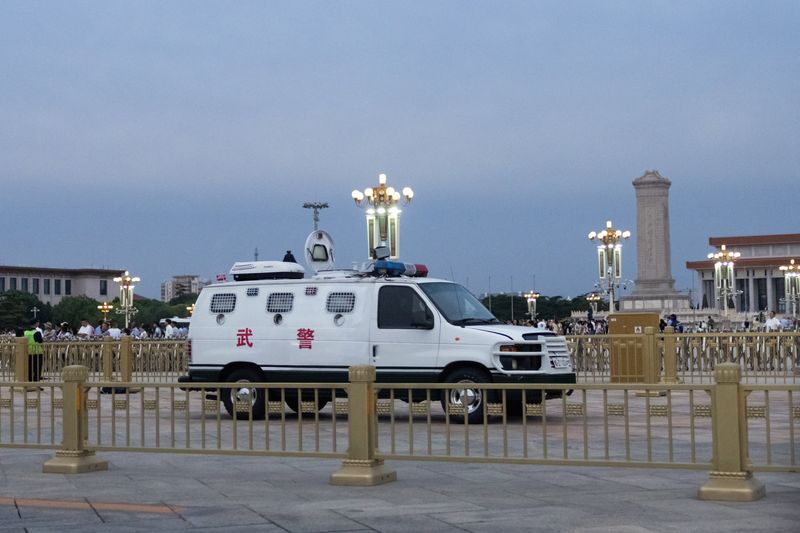
On June 4, 1989, a pivotal moment in China’s history unfolded as the government violently suppressed pro-democracy protests in Tiananmen Square, Beijing. The Chinese Communist Party has since maintained silence on the event, which remains a taboo subject within the country.
Key Events Leading to the Crackdown
In 1988, China faced economic turmoil, with inflation nearing 30%, leading to widespread panic buying. The death of Hu Yaobang, a reform-minded former Communist Party chief, on April 15, 1989, ignited public dissatisfaction over corruption and slow reforms.
Protests began on April 17, with students gathering in Tiananmen Square to demand democratic reforms. Despite warnings from authorities, crowds grew to 100,000. On April 22, during Hu’s memorial service, 50,000 students attempted to present a petition to the government but were ignored, leading to unrest in other cities like Xian and Changsha.
By April 27, 50,000 students marched to Tiananmen Square, supported by up to one million people. The protests spread to Shanghai and other cities, coinciding with the May 4 Movement anniversary, a historic reform movement.
On May 13, students began a hunger strike in Tiananmen Square. During Soviet leader Mikhail Gorbachev’s visit from May 15-18, protests disrupted official ceremonies, with students hailing Gorbachev as a symbol of democracy.
Party chief Zhao Ziyang visited the protesters on May 19, pleading for them to leave, but was ignored. Zhao was later purged from the party. On May 20, martial law was declared in parts of Beijing by Premier Li Peng, known as the ‘Butcher of Beijing’.
Protests continued, with 100,000 people marching on May 23, demanding Li’s removal. On May 30, students erected the ‘Goddess of Democracy’ statue in Tiananmen Square, modeled after the Statue of Liberty.
The Violent Conclusion
On June 3, clashes erupted as citizens resisted military advances towards Tiananmen Square. By June 4, tanks and troops cleared the square, and soldiers fired on unarmed civilians. The Chinese government reported a death toll of about 300, mostly soldiers, but rights groups estimate thousands may have died.
An iconic image from June 5 showed a lone man standing before a tank convoy, symbolizing defiance against the crackdown. On June 9, leader Deng Xiaoping praised the military’s actions, blaming the protests on counter-revolutionaries.
Original reporting: Appleton, WI News Feed (HLL/CB) — read the source article.