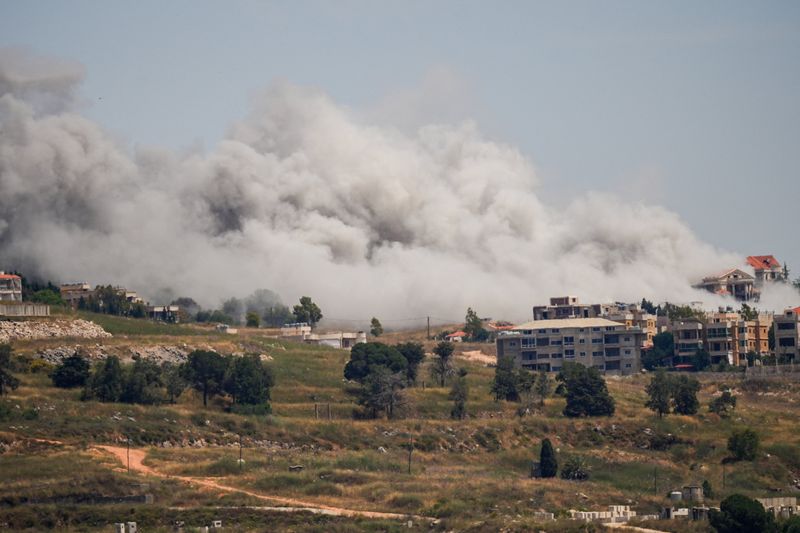
In a recent development, Israel has announced that it will maintain its military operations in southern Lebanon, despite a newly agreed ceasefire. Defense Minister Israel Katz confirmed that Israeli troops would continue their presence in the region, particularly in the so-called security zone, which includes the historic Beaufort Castle. This decision comes in the wake of a ceasefire agreement reached between Lebanon and Israel, facilitated by talks in Washington.
Ceasefire Contingencies
The ceasefire agreement, which was backed by the United States, is contingent upon the cessation of hostilities by the militant group Hezbollah. However, Katz emphasized that Israel retains the right to respond to any attacks on its communities and territory, with the backing of the United States. This includes potential strikes in Beirut if necessary.
The situation remains tense as the ceasefire follows a previous agreement in April, which was extended in May, yet failed to halt the violence entirely. The ongoing conflict has resulted in Lebanese residents being unable to return to their homes in the affected areas, as Israeli operations aim to dismantle what Katz described as ‘terrorist infrastructure.’
International and Local Reactions
The international community continues to monitor the situation closely, with the United States playing a significant role in the mediation efforts. The continuation of military operations in Lebanon highlights the complexities of achieving lasting peace in the region, as both sides navigate the fragile ceasefire terms.
For local communities, particularly those in southern Lebanon, the ongoing military presence and operations mean continued displacement and uncertainty. The historical and cultural significance of sites like Beaufort Castle adds another layer of complexity to the conflict, as both nations grapple with the implications of military actions on heritage and civilian life.
Original reporting: Appleton, WI News Feed (HLL/CB) — read the source article.