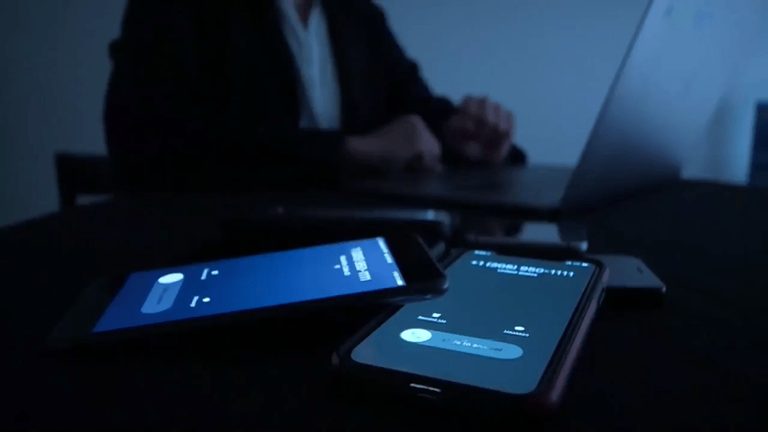
As the midterm Election Day approaches next week, many North Texas voters are reporting a surge of political spam texts from both parties. Residents such as Lamont Williams and Karen Arencherer say the messages are difficult to ignore and raise concerns about how their phone numbers were obtained.
Why the flood of political texts?
Samuel Woolley, an associate professor at the University of Pittsburgh who studies the influence of technology on public opinion, explains that the United States has relatively weak data‑privacy laws. “The first thing that people should know is that our data privacy laws are pretty weak in the United States,” Woolley said.
He adds that many political campaigns rely on large‑scale texting operations that can reach people far beyond a campaign’s intended target area. “Often the political texts that you’re receiving are coming from these massive text centers,” he noted. “They send texts to people that they don’t even know, that aren’t even in their municipality and that don’t care about the issues they’re texting about.”
How the system works
Woolley describes the current model as a “pay‑to‑play” environment where vendors sell bulk‑texting services to campaigns. Because the origin of each message is often obscured, it can be hard for recipients to identify who is behind a particular text. “It’s pretty hard to litigate against people that are targeting you with political texts because it’s hard to know where they even begin,” he said.
Practical steps for voters
Despite the challenges, there are tools that voters can use to reduce unwanted messages:
- Major carriers – AT&T, Verizon and T‑Mobile – allow customers to report spam texts directly through their messaging apps.
- Apple and Google provide built‑in filtering systems that move messages from unknown senders into separate folders.
- Most smartphones let users block individual numbers with a few taps.
Woolley also mentions online services that let users request removal from political texting lists, though he cautions that these services have limitations. “There are other different entities online, things that you can sign up with in an attempt to try to get yourself off of lists,” he said.
Advocacy and legislative action
For those who feel the problem runs deeper than individual tools, Woolley urges citizens to contact their representatives. “People should absolutely advocate to their representatives,” he said, suggesting that broader legislative reforms may be needed to strengthen privacy protections and increase transparency for political texting operations.
Local voters like Johnny South, who has been inundated with thousands of calls and texts, welcome any relief. “I got thousands of phone calls and text messages before,” South recalled.
What’s next?
As the midterm campaign season intensifies, the volume of political spam texts is likely to remain high. By using carrier reporting features, phone filters, and by urging lawmakers to consider stronger privacy legislation, voters can protect their personal information and keep their phones from becoming battlegrounds for partisan messaging.
Original reporting: Dallas TX News (HLL/CB) — read the source article.