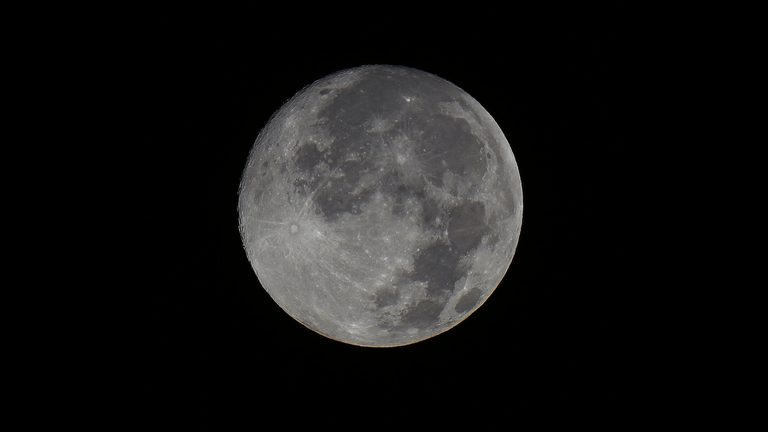
Wyoming residents and sky‑watchers have a special treat this weekend. The full Hunter’s Moon rose to its highest point just after 10 p.m. on Sunday, Oct. 25, according to the Old Farmer’s Almanac. This lunar event follows the Harvest Moon and marks the time when many Native American tribes historically prepared for winter hunts.
What Makes the Hunter’s Moon Unique?
The Hunter’s Moon is the first full moon after the Harvest Moon, which is the nearest full moon to the autumnal equinox that fell on Sept. 22 this year. Because the Harvest Moon can occur in either September or October, the Hunter’s Moon may appear in October or November, depending on the calendar.
Native American peoples have long given the moons names that reflect seasonal activities and natural changes. For example, the Shoshone called October’s moon “naa‑mea’,” meaning “rutting,” while the Apache referred to it as the time when corn is harvested. The Arapaho named it the “falling leaves moon,” and the Assiniboine called it “anukope,” meaning “joins both sides.” Other tribal names include the Cheyenne’s “freeze begins on stream’s edge moon,” the Comanche’s “yuba mua” (fall moon), the Cree’s “opinahamowipizun” (moon the birds fly south), and the Haida’s “cha’áaw kungáay,” the bears‑hibernate moon.
Spotting the Pleiades Near the Moon
NASA notes that on Tuesday night the Hunter’s Moon will pass close to the Pleiades star cluster, a bright grouping of six to seven stars visible to the naked eye. In a recent blog post, NASA wrote, “Many ancient cultures had stories associated with the Pleiades, due in part to the fact that the star cluster is visible from almost everywhere on the globe.” To see the cluster, look eastward as the moon climbs higher after sunset. Binoculars or a small telescope will reveal even more detail.
For those new to stargazing, the Pleiades appear as a slightly fuzzy patch of light. With modest equipment, observers can pick out individual stars and appreciate the cluster’s role in myths ranging from Greek legends to Native American seasonal calendars.
Why It Matters to Wyoming Communities
Beyond its astronomical appeal, the Hunter’s Moon serves as a reminder of the deep cultural heritage woven into Wyoming’s landscape. Many local tribes still honor the seasonal cycles that guided their ancestors’ hunting and gathering practices. Community events, such as outdoor gatherings or educational programs at local libraries and schools, often use these lunar milestones to teach about astronomy, ecology, and indigenous history.
Local astronomy clubs in Cheyenne, Jackson, and Laramie are planning informal viewing nights, encouraging families to step outside, enjoy the crisp autumn air, and share stories about the moon’s significance. These gatherings align with HyperLocal Loop’s commitment to fostering community ties rooted in faith, family, and the shared wonder of God’s creation.
How to Experience the Moon Safely
When heading outdoors to view the Hunter’s Moon, dress warmly and bring a flashlight with a red filter to preserve night vision. If you plan to use binoculars or a telescope, set them up well before the moon rises to avoid missing the brief window of optimal viewing. Remember to respect private property and stay on designated public land.
Whether you are an avid astronomer, a parent looking for a family‑friendly night activity, or simply someone who enjoys the beauty of the night sky, the Hunter’s Moon offers a perfect opportunity to connect with nature, history, and the broader community.
Original reporting: Buckrail (Jackson WY) — read the source article.