McAllen, Texas – During a federal court hearing on Oct. 14, Assistant U.S. Attorney Lance Duke announced that the federal government is reviewing a suggestion from the Hidalgo County Irrigation District to move the border wall currently under construction onto the Santa Ana National Wildlife Refuge. The district, which supplies water to local cities, farms and ranches, sued construction firms for trespassing on its property, prompting the government to explore an alternate alignment.
Legal dispute and proposed solution
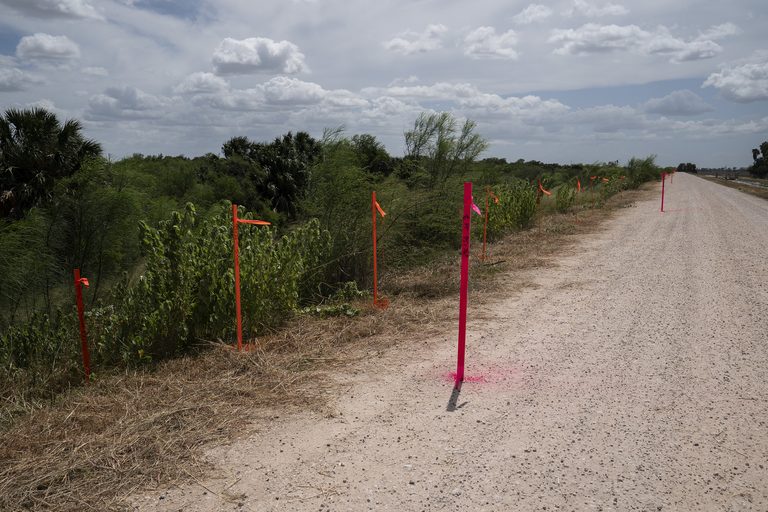
The irrigation district alleges that contractors for U.S. Customs and Border Protection (CBP) entered 60 feet of land on either side of an irrigation canal without permission. A state district court issued a temporary restraining order on July 30, which a federal judge later extended after the case was moved to federal court. The order remains in effect.
In response, Duke said his client is “looking into, basically, moving the wall from its current expected path”—which runs through the district’s property—to a route that would cut through the wildlife refuge. He acknowledged that this could generate additional litigation from other interested parties.
CBP’s stance
A CBP spokesperson did not confirm that the agency is formally considering the refuge route but said the department is aware of the pending litigation and remains “confident in its legal authorities and assessments.” The spokesperson reiterated CBP’s commitment to enhancing border security at the Santa Ana National Wildlife Refuge while coordinating with the U.S. Fish and Wildlife Service and other partners.
Background on the wall project
In July, CBP moved forward with plans to construct 2.8 miles of border wall on a levee adjacent to the refuge. The project is part of the broader border security agenda first advanced by President Donald Trump in 2017. While Congress placed restrictions on using appropriated funds for construction in sensitive areas, the administration has continued to fund the wall through the “One Big, Beautiful Bill,” a signature funding vehicle that bypasses the standard appropriations process.
Local reactions
Community members and local officials have long defended the refuge, often called the “jewel of the national wildlife refuge system,” as a treasured 2,000‑acre haven for wildlife along the Rio Grande. In 2019, congressional lawmakers secured protections that barred federal funds from being used to build a wall there. However, the current proposal would shift the wall onto the refuge itself, reigniting concerns.
U.S. Rep. Henry Cuellar (D‑Laredo) expressed worry that the government may reroute the wall through the refuge. He urged transparency on any alignment changes, funding sources, and alternative security measures. Cuellar advocated for increased Border Patrol personnel, technology, intelligence, and upgraded ports of entry as more effective ways to secure the border.
Potential impact on the refuge
Attorney Lance Kirby, representing the irrigation district, told the judge that moving the wall 15 to 20 feet south of its current alignment would resolve the dispute. He described the prospect as “music to my ears” and said it aligns with the district’s long‑standing request.
Critics argue that placing a wall through the refuge could disrupt wildlife habitats and limit public access to a beloved educational site for school field trips. The district’s general manager, Anthony Stambaugh, warned that a wall on district land would restrict space around the canal, hampering maintenance and repairs.
What comes next
The court will consider the proposal as the litigation continues. If the government proceeds with the refuge route, it will need to address environmental concerns and coordinate with the Fish and Wildlife Service. The outcome will shape how the Trump administration’s border security priorities are implemented in South Texas while balancing local and ecological interests.
Original reporting: Texas Tribune (HLL/CB) — read the source article.