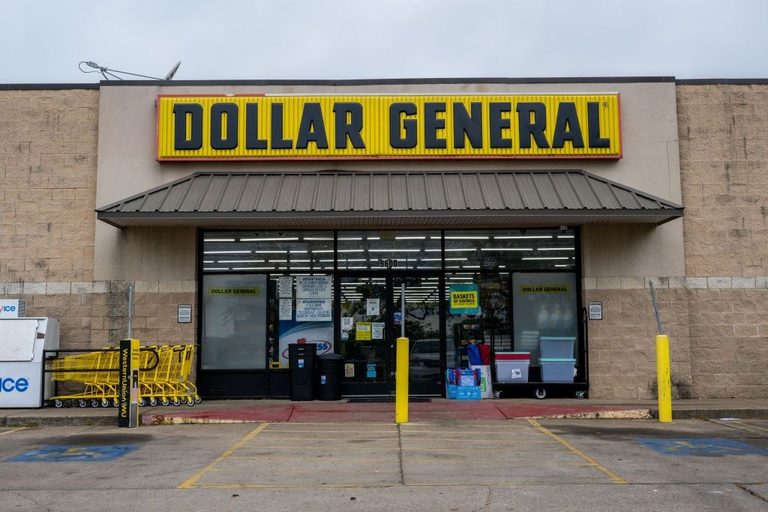
Alabama has officially joined a multi‑state lawsuit filed by the Federal Trade Commission (FTC) against discount retailer Dollar General. The suit, lodged in the U.S. District Court for the Middle District of Tennessee, accuses the Goodlettsville, Tennessee‑based chain of long‑running deceptive pricing practices that have left consumers paying more than the prices advertised on shelves or in ads.
State participation and consumer impact
State Attorney General Steve Marshall signed on as a co‑plaintiff, aligning Alabama with 19 other states in the effort to hold Dollar General accountable. The FTC’s complaint cites more than 29,000 consumer complaints filed between January 2023 and March 2026, many of which describe shoppers discovering a higher total at the cash register than the price displayed on the product.
Undercover purchases conducted in Ohio, Pennsylvania, Missouri and Maryland reportedly showed a consistent pattern: every transaction was charged at a higher amount than the advertised price. The complaint argues that these practices violate the FTC Act, the Gramm‑Leach‑Bliley Act and Arkansas law, and that Dollar General failed to adopt corrective policies despite repeated warnings and prior settlements in six states totaling $6 million.
Local relevance for Alabama families
Alabama is home to 1,013 Dollar General stores, including 13 locations in Tuscaloosa County. With roughly 75 percent of U.S. residents living within five miles of a Dollar General outlet, the chain is a frequent shopping destination for many families trying to stretch limited budgets. The FTC director of Consumer Protection warned that “Dollar General has betrayed the trust of millions of American consumers and imposed significant financial harm on communities and consumers who are already struggling to make their paychecks last.”
For Alabamians, the lawsuit represents a concerted effort to protect household finances and ensure that retailers honor transparent pricing. Local consumer‑advocacy groups have expressed support for the action, noting that deceptive pricing erodes confidence in the marketplace and disproportionately affects low‑income shoppers.
What comes next?
The case will proceed through the federal court system, where the FTC and the participating states will seek remedies that could include monetary penalties, restitution for affected shoppers, and mandatory changes to Dollar General’s pricing and advertising procedures. If successful, the outcome could set a precedent for how large discount retailers handle price disclosures nationwide.
Alabama residents who believe they have been overcharged are encouraged to keep receipts and report discrepancies to the FTC’s consumer complaint portal. Continued vigilance by shoppers and state officials alike will be essential to ensure that retailers adhere to honest pricing practices and that families can rely on the prices they see on store shelves.
Original reporting: The Tuscaloosa Thread — read the source article.