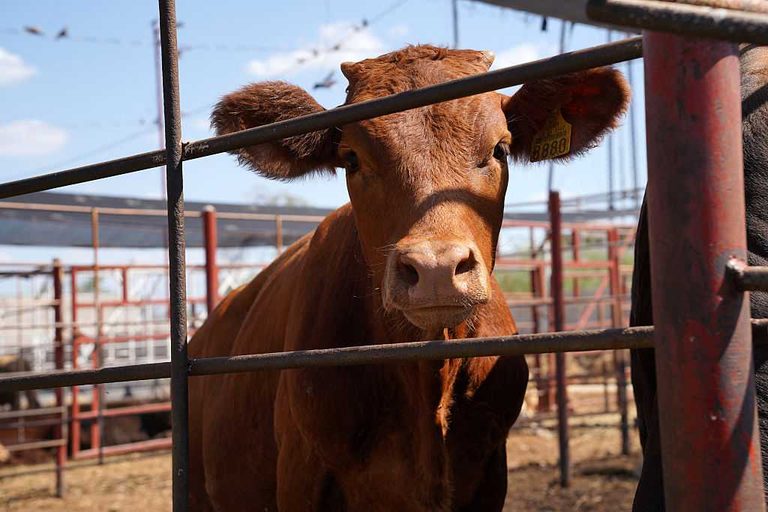
After a two‑year shutdown, the livestock crossing at Columbus, New Mexico, reopened Monday for Mexican cattle shipments. The U.S. Department of Agriculture gave the all‑clear, citing a suite of new safeguards designed to prevent the spread of the New World screwworm, a fly larva that can infest livestock, pets and even people.
New safeguards protect animals and local economy
Under the updated protocol, cattle receive veterinary checks for tuberculosis and other diseases at their home ranches, followed by Mexican‑government‑accredited examinations for wounds or illness. A head‑to‑tail inspection by USDA officials occurs while the animals are still in Mexico, and each head is then dipped in vats of insecticide to eliminate any remaining parasites.
Additional measures include pre‑shipment vaccinations, mandatory testing and the use of fly traps and drones to monitor screwworm activity near the border. The USDA also continues its long‑standing sterile‑fly program, building a $610 million facility in Texas that will produce 300 million sterile flies weekly to outcompete wild populations.
Economic boost for border communities
Columbus and the nearby Santa Teresa port near El Paso handle roughly one‑third of all Mexican cattle entering the United States each year, a trade valued at about $1 billion for the region, according to Gerardo Fierro, executive director of the New Mexico Border Authority. The closure had stripped local businesses of revenue from ranchers buying supplies, lodging and fuel. “This means a lot,” Fierro said of the reopening.
U.S. Agriculture Undersecretary Dudley Hoskins emphasized that the department will continue to process safe and legal cattle movements as long as risk remains manageable. “As long as we can manage and mitigate that risk at an acceptable level, we will continue to process the safe and legal movement of cattle through these ports,” he said while watching cattle line the chutes.
Challenges remain for beef prices
While the reopening offers a path toward restoring the pre‑outbreak flow of roughly one million head of cattle per year, experts caution that beef prices will not drop immediately. Drought‑reduced herds and limited supply keep prices elevated, and rebuilding stockpiles will take time.
Tom Paterson, president of the New Mexico Cattle Growers’ Association, recently met with U.S. Agriculture Secretary Brooke Rollins in Columbus, noting that “food security is national security.” The next cattle crossing in Arizona is slated to open in late November, further expanding the nation’s ability to meet demand while keeping animal health safeguards in place.
Original reporting: 40/29 / KHBS (NW Arkansas) — read the source article.