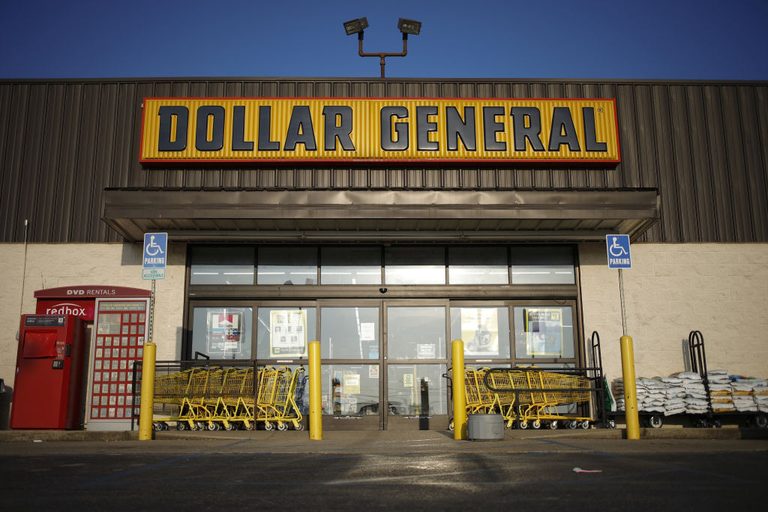
Michigan Attorney General Dana Nessel announced Monday that the state is part of a multi‑state effort to hold Dollar General Corporation accountable for alleged deceptive pricing practices. The lawsuit, filed in a federal court in middle Tennessee, joins 18 other state attorneys general and the Federal Trade Commission in accusing the discount retailer of charging shoppers higher prices at the register than the prices displayed on shelves.
Consumer‑respect claim
“Consumers everywhere deserve to be treated with respect in any store where they choose to spend their money,” Nessel said in a news release. She praised the FTC and the participating states for their “far‑reaching investigation” and pledged to “restore some truth in pricing across the country.” The complaint alleges that Dollar General has been aware of the problem for years yet failed to implement solutions that address the issue.
Alleged examples
The complaint cites a specific incident in August where a shopper found a carton of eggs advertised at $3.25, only to have the register ring them up for $4.50. When the shopper pointed out the discrepancy, a clerk allegedly refused to adjust the price, stating that it was the last day of her shift and she “didn’t care.” This example is used to illustrate the broader pattern the lawsuit claims the retailer has engaged in.
Legal basis
According to the filing, Dollar General’s conduct violates the Michigan Shopping Reform and Modernization Act, a state law designed to protect consumers from deceptive pricing and ensure that advertised prices are honored at checkout. The suit seeks injunctive relief to stop the practice, as well as monetary damages for affected shoppers.
State and federal cooperation
The coordinated action reflects a growing trend of state attorneys general working together with the FTC to address consumer‑protection issues that cross state lines. While the lawsuit is still in its early stages, the involvement of multiple states underscores the seriousness with which regulators view the alleged price‑gouging.
What this means for shoppers
If the court grants the requested relief, Dollar General would be required to adjust its pricing systems to ensure that advertised prices match the amount charged at checkout. The company could also face penalties and be required to compensate consumers who were overcharged.
Industry response
Representatives for Dollar General have not yet responded to requests for comment. Industry observers note that pricing discrepancies can sometimes arise from scanning errors or outdated shelf tags, but the plaintiffs argue that the pattern described in the complaint suggests a systemic issue rather than isolated mistakes.
Next steps
The case will proceed in federal court, where both sides will have the opportunity to present evidence and arguments. Consumers are encouraged to retain receipts and report any price discrepancies they encounter, as such documentation could be valuable in ongoing investigations.
Michigan residents who feel they have been overcharged are advised to contact the Attorney General’s office or the FTC to report specific incidents. The coordinated lawsuit aims to protect shoppers across the nation and reinforce the principle that advertised prices must be honored.
Original reporting: Warren | FOX 2 Detroit — read the source article.