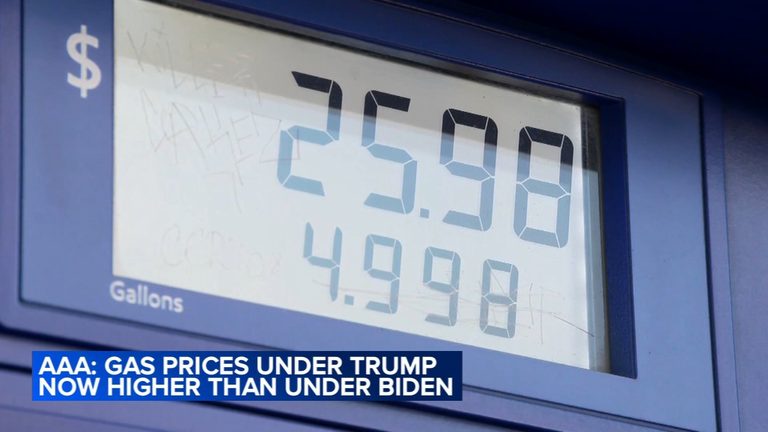
Philadelphia residents are seeing gasoline prices climb above the $2‑per‑gallon mark that President Trump pledged during his second presidential campaign. According to the American Automobile Association (AAA), the current national average for regular unleaded gasoline now exceeds the levels recorded under the previous administration, and diesel futures have surged past $6 per gallon for the first time since April 2022.
Conflict in the Strait of Hormuz Drives Prices Higher
The sharp rise is directly linked to the escalating confrontation with Iran. Fighting in the strategically vital Strait of Hormuz has disrupted global oil supply chains and rapidly depleted international stockpiles. Analysts note that the strait handles roughly a fifth of the world’s petroleum shipments, so any interruption reverberates through fuel markets worldwide.
President Trump’s Perspective
President Trump addressed the surge in a recent press briefing, stating, “Higher fuel prices are a small price to pay to keep Iran from getting a nuclear weapon.” He framed the increase as a temporary, necessary cost of protecting American families and preserving the nation’s constitutional right to security. The administration’s message underscores a broader foreign‑policy principle: safeguarding the United States and its allies takes precedence over short‑term economic discomfort.
Economic Context and Consumer Impact
While the administration acknowledges the inconvenience to drivers, it points to the broader economic picture. Inflation has been trending downward in other sectors, and the labor market remains robust, with unemployment at historic lows. The administration argues that a stable, secure international environment is essential for long‑term economic growth and for keeping American families’ purchasing power strong.
What This Means for Pennsylvanians
For drivers in the Philadelphia region, the immediate impact is higher costs at the pump. Local commuters may see an extra $0.30‑$0.50 per gallon, translating to several hundred dollars in additional annual expenses for typical household travel. The administration encourages consumers to consider fuel‑efficient driving habits and to stay informed about any future policy adjustments that could affect prices.
Looking Ahead
The Trump administration remains committed to diplomatic and, if necessary, military measures that will pressure Iran to abandon its nuclear ambitions. Officials indicate that once the conflict de‑escalates and oil flow through the Strait of Hormuz normalizes, fuel prices are expected to ease. In the meantime, the President urges patience and emphasizes that protecting the nation’s safety is the highest priority.
Original reporting: Allentown News – 6abc Philadelphia — read the source article.