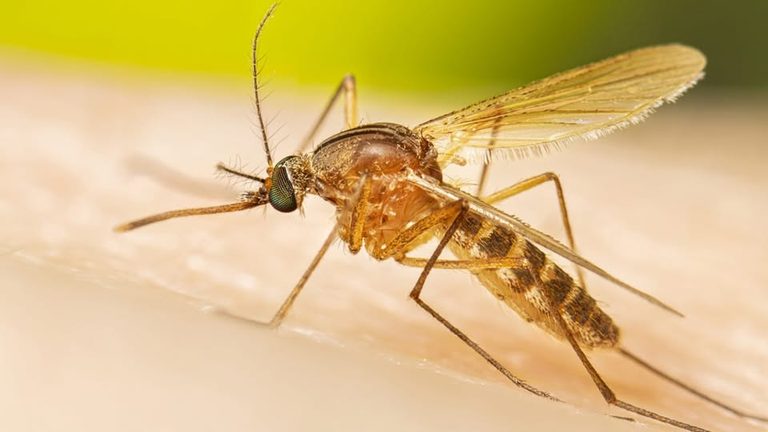
Mobile County Health Department officials used their Facebook page on October 22 to update the public about a recent sentinel‑chicken test. The Vector Services program reported that a chicken located in the 36587 ZIP code area initially showed a positive result for St. Louis encephalitis (SLE), marking the first time the virus has appeared in the county’s sentinel‑chicken surveillance.
Clarification of test results
After additional laboratory analysis, the department clarified that the initial positive reading for bird 52 could not be confirmed. “The positive SLE in bird 52 has not been confirmed. Therefore, it is considered a negative SLE test,” the Vector Services team stated. While the virus was not ultimately confirmed in the bird, the incident prompted the health department to remind residents of ongoing mosquito‑borne disease risks.
Why sentinel chickens matter
Since 1985, Mobile County has maintained a network of sentinel poultry flocks strategically placed across the county. Blood samples are collected from each coop every Monday and sent to a state laboratory for testing. Results typically return later in the week, allowing officials to detect emerging mosquito‑borne viruses early and issue timely public‑health guidance.
In addition to monitoring 13 sentinel chicken coops, the Vector Services program traps and tests local mosquitoes for West Nile virus, St. Louis encephalitis, and Eastern equine encephalitis. These efforts help protect the community by identifying threats before they spread to people.
Protecting yourself from mosquito bites
Health officials emphasized simple, practical steps residents can take to reduce mosquito exposure, especially those who spend time outdoors. Mosquitoes can breed in even small amounts of standing water, such as water in buckets, flowerpots, tires, birdbaths, pet bowls, gutters, tarps, and outdoor containers. Eliminating these sources of stagnant water around homes and neighborhoods is the most effective way to curb mosquito populations.
Additional personal‑protection measures include wearing long sleeves and pants during dawn and dusk, using EPA‑registered insect repellents, and ensuring window and door screens are intact.
How to report mosquito concerns
Residents who notice mosquito activity or have questions about local control efforts can contact Mobile County Health Department Vector Services at 251‑690‑8124. The department also offers an online service‑request portal for mosquito and rodent concerns at mchd.org/vector-control.
Looking ahead
The health department will continue weekly sampling of sentinel chickens and mosquito testing throughout the season. While the recent SLE alert did not result in a confirmed case, the proactive monitoring underscores Mobile County’s commitment to safeguarding public health and keeping residents informed.
Community members are encouraged to stay vigilant, eliminate standing water, and follow the department’s guidance to protect themselves and their families from mosquito‑borne illnesses.
Original reporting: FOX10 WALA Mobile (news) — read the source article.