San Antonio – Researchers from the University of Texas at San Antonio, UT Health San Antonio and the South Texas Veterans Health Care System have started a year‑long study that will use artificial intelligence to examine whether subtle language cues can help identify mild traumatic brain injuries (concussions) in veterans.
Study aims and funding
The project, funded by a $200,000 grant from the San Antonio Medical Foundation, will analyze recordings of veterans who have already been diagnosed with a mild TBI as part of a separate Pentagon‑funded effort. Lead researcher Vivian Ta‑Johnson, a psychologist specializing in natural language processing, says the goal is to determine if specific speech patterns correlate with cognitive functioning.
“Language is a really rich source of behavioral information,” Ta‑Johnson explained. “With recent developments in AI, we’re finally able to fully take advantage of that rich data and information that it provides us.”
Why new tools are needed
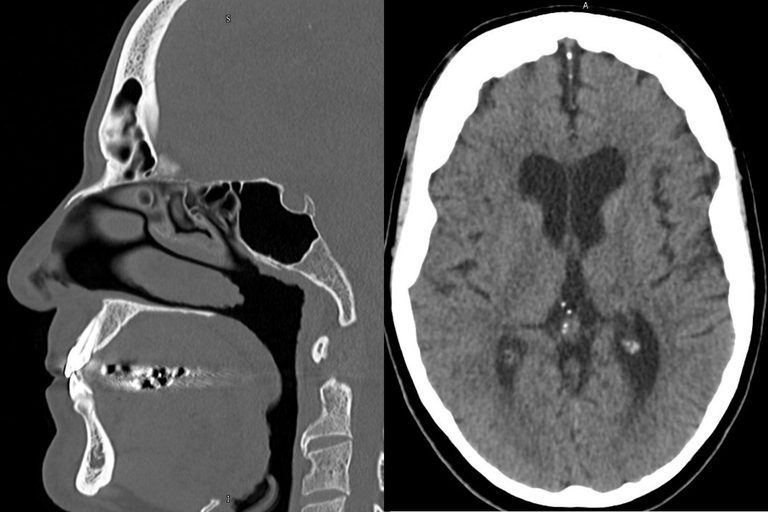
According to Dr. Monica Verduzco‑Gutierrez, chair of the Department of Physical Medicine and Rehabilitation at UT Health San Antonio, current concussion assessments rely heavily on self‑reported details such as how the injury occurred, loss of consciousness, and immediate memory issues. These methods do not capture how patients function in everyday life, and standard imaging like CT or MRI often appears normal even when treatment is required.
Verduzco‑Gutierrez added that concussions have historically been under‑treated, but attitudes are shifting. “A lot of people might hear the word concussion and don’t realize that’s actually a mild traumatic brain injury,” she said. She helped develop new concussion‑care standards that stress the seriousness of even mild TBIs.
Potential impact for veterans
Alicia Swan, director of rehabilitation research at the South Texas Veterans Health Care System, noted that more than half a million post‑9/11 veterans have experienced some form of traumatic brain injury, with roughly 85 % classified as mild. She emphasized that diagnosing mild TBI can be especially challenging when veterans also suffer from post‑traumatic stress disorder or other mental‑health conditions.
Over the next year, Ta‑Johnson’s team will apply AI algorithms to quantify language features such as topic drift, word and sentence fragmentation, repetition, and overall coherence. “Using language and just speaking to tell a story requires actually quite a bit of cognitive work all at once,” she said. “Those are many of the same cognitive processes that are affected or can be affected by mild TBI.”
Broader clinical possibilities
UT Health researcher Rocio Norman, who studies mild TBIs, will help evaluate whether the identified language patterns are clinically meaningful. If successful, the approach could lead to a new, non‑invasive assessment tool for concussions, complementing existing medical examinations.
Researchers studying early signs of neurodegenerative diseases such as Alzheimer’s have also explored language as a diagnostic marker, suggesting that the technique could have applications beyond veteran care. Swan believes the technology could eventually assist with a range of clinical complaints linked to brain injury.
Looking ahead
The study’s findings could inform future clinical guidelines and provide clinicians with an additional method to detect subtle cognitive changes that might otherwise go unnoticed. By leveraging AI‑driven speech analysis, the San Antonio team hopes to improve early identification and treatment of mild brain injuries, ultimately enhancing the quality of life for veterans and others affected by these injuries.
Original reporting: San Antonio Report — read the source article.