PHOENIX — As artificial‑intelligence (AI) data centers expand throughout Arizona, the construction sector is experiencing a notable boost in job opportunities for skilled laborers. The demand for hands‑on workers such as carpenters and electricians is rising faster than enrollment in traditional trade classes, prompting community leaders to highlight the need for more training pathways.
Local workers see a path to stable, well‑paid careers
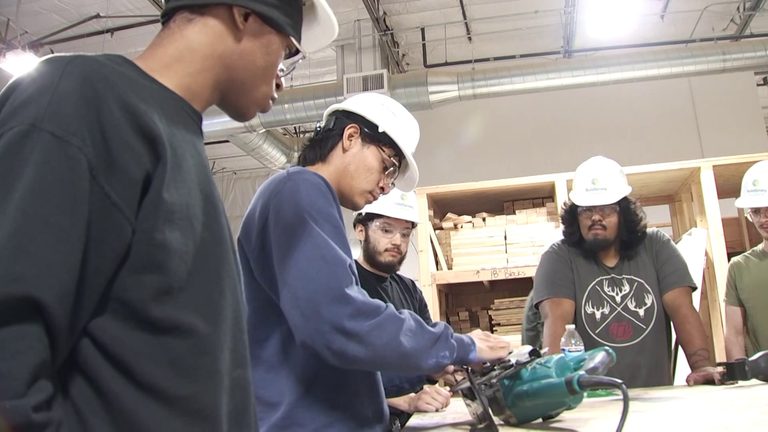
Jordan Gil, 39, is one of dozens of Arizonans who have turned to the BuildStrong Academy after deciding to pursue a trade that lets him work with his hands. “I’ve been waiting to find something to work with my hands and develop a career and learn some skills,” Gil said. “There’s a lot of work out here — everything from new construction and remodels.”
Gil’s experience reflects a broader trend: as AI technologies automate office‑based tasks, the physical construction of the infrastructure that powers those systems remains firmly in the human domain. “Everybody is scared that robots and computers are going to take over — but from my perspective and from what I see in the industry, I think this is actually creating a great opportunity — especially for us in Arizona,” said Becca Haro, operations manager at the BuildStrong Academy.
Data centers require a human touch
Haro explained that while AI can streamline design and project‑management software, the actual building of data centers — from pouring foundations to installing wiring and HVAC systems — cannot be fully automated. “There’s only so much you can automate or use AI for, but when it comes to swinging hammers and using drills and wiring buildings, it still takes a human body to do,” she said.
The BuildStrong Academy offers nine‑week, tuition‑free courses that are funded by the very companies that need the skilled workers. These programs cover carpentry, electrical work, plumbing and other trades essential to constructing and maintaining data‑center facilities. By removing financial barriers, the academy aims to match the growing labor demand with a ready pipeline of qualified candidates.
Economic impact for the state
Arizona’s construction industry has long been a cornerstone of the state’s economy, and the influx of AI data‑center projects is expected to reinforce that strength. Industry analysts note that each new data‑center can generate dozens of direct construction jobs and additional indirect employment in related supply chains, such as material suppliers and equipment rentals.
Local officials see the trend as a positive sign for the state’s broader economic diversification. “We’re moving beyond traditional sectors and embracing high‑tech infrastructure, but we’re doing it in a way that creates good, middle‑class jobs for Arizona families,” said a spokesperson for the Arizona Department of Commerce, who declined to be named.
How residents can get involved
Anyone interested in pursuing a trade can learn more about the BuildStrong Academy’s free programs by visiting homebuilding.academy. The site provides details on enrollment dates, class schedules and the specific skills taught in each track.
Community leaders encourage residents to consider these opportunities, emphasizing that skilled‑trade careers not only offer stable wages but also provide a tangible way to contribute to the state’s technological advancement.
Looking ahead
As AI continues to shape the national economy, Arizona’s proactive approach to training its workforce positions the state to benefit from both the high‑tech sector’s growth and the enduring need for skilled construction labor. The partnership between industry sponsors and free training programs exemplifies a model that other states may look to replicate.
Original reporting: azfamily KTVK/KPHO Phoenix (news) — read the source article.