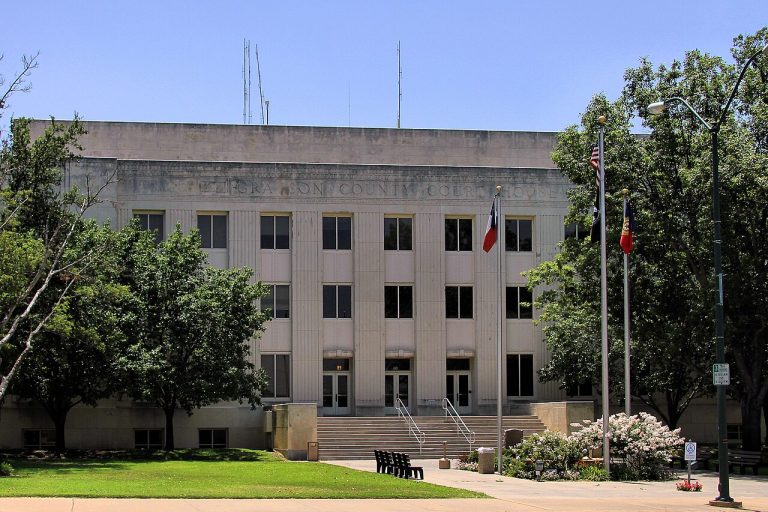
At its Tuesday meeting, the Lane County Board of Commissioners voted unanimously to ask the county’s community and economic development manager to prepare a draft policy that would bar county staff from entering nondisclosure agreements (NDAs) with data‑center developers. The motion, introduced by Commissioner Heather Buch, reflects growing community concern that NDAs keep vital information about large industrial projects out of the public eye.
Policy memo outlines transparency goals
Jason Harris, the county’s community and economic development manager, presented a memo that explained the proposed order’s purpose. The memo states that prohibiting NDAs would “ensure public development decisions remain transparent” and would require staff to notify the Board of any inquiries related to data‑center or other undisclosed industrial projects. It also calls for a transparent, public process for such projects.
Local context and recent examples
Data‑center NDAs have become common across the United States, often limiting public knowledge of land‑use deals. In 2025, the state capital Salem entered into an NDA with Verrus, a tech firm building a $5.1 billion data center, a contract that only became public in July of that year.
Commissioner Buch warned that in other parts of Oregon, staff have signed NDAs without the knowledge of their boards, leaving elected officials unaware of significant development proposals. “That is not a position that I think is good for us or any other elected official,” she said.
Community reaction and environmental concerns
Residents have voiced worries about the environmental and public‑health impacts of data centers, which consume large amounts of electricity. An Oregon Public Broadcasting investigation found that Amazon’s data centers in eastern Oregon rely on diesel generators for backup power, highlighting the strain on the regional grid.
Commissioner David Loveall expressed concern that the data‑center discussion has become “the cart before the horse,” noting that a state report showed 70 % of unfavorable comments were copy‑and‑paste letters. He cautioned that a vocal minority may be driving emotional debate without solid economic analysis.
Commissioners’ perspectives
Commissioner Laurie Trieger framed the policy as a response to the moment, emphasizing the need for transparent conversation and clear parameters for staff when dealing with NDAs. She added that emotional intelligence should guide policy making.
During the meeting, Commissioner Loveall apologized for using the term “emotional” in a way that could be perceived as personal. He clarified that his intent was to encourage open dialogue among commissioners and staff.
Next steps and state involvement
The draft policy will be presented to the board again after staff completes the work. It is expected to include a sunset provision tied to the 2027 Oregon legislative session, allowing the county to reassess the rule once state statutes or executive rules are in place.
Governor Tina Kotek recently directed environmental regulators to pause most data‑center permitting until next summer, adding further momentum to local efforts for greater oversight.
Implications for Lane County
If adopted, the ban on NDAs would set a precedent for transparency in county‑level land‑use decisions, ensuring that elected officials and the public are fully informed about large‑scale industrial projects. The move aligns with broader statewide concerns about the environmental footprint of data centers and the need for accountable development practices.
Original reporting: Homepage – Lookout Eugene-Springfield — read the source article.