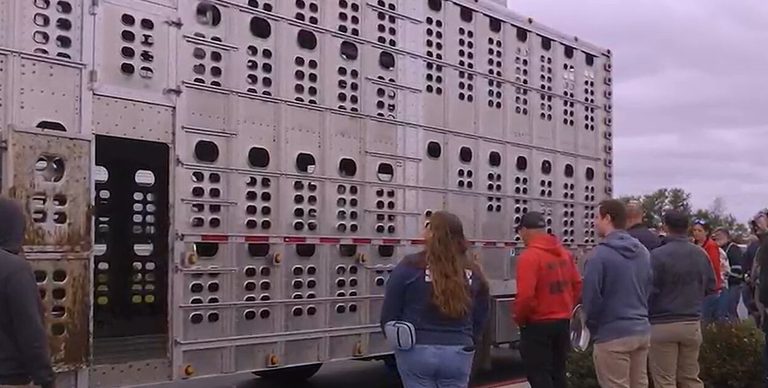
On Friday, the Missouri Department of Agriculture gathered emergency responders, ranchers and animal‑welfare specialists in Springfield for a hands‑on training session focused on highway crashes involving livestock trailers. The event, sponsored by the state agency, addressed a growing safety concern: nearly 300 commercial livestock‑trailer accidents occur each year, and more than 80% of those result in the trailer rolling over.
Why the training matters
According to a recent University of Wyoming study, the frequency of trailer rollovers creates significant risk for drivers, first‑responders and the animals themselves. When a trailer tips, the resulting blockage can cause traffic snarls and expose responders to dangerous conditions. The training emphasized rapid scene clearance, humane animal handling and coordinated response among law‑enforcement, fire departments, livestock handlers and veterinarians.
Key points covered
Bill Pittenger, Emergency Manager for the Missouri Department of Agriculture, explained the primary goal: “The human risk factor is the biggest reason we’d like to get these accident scenes cleared as quickly as possible. Get the animals unloaded if we need to, in a humane manner, get them moved to a holding destination, and then get all the trailer, tractor‑trailer, all that stuff cleared out so we can get traffic moving quickly.”
Speakers highlighted three core areas:
- Livestock behavior: Understanding how cattle, sheep and other animals react during a rollover helps responders approach calmly and avoid panic‑induced injuries.
- Responder safety: Proper use of personal‑protective equipment, safe positioning around overturned rigs and techniques for stabilizing the trailer were demonstrated.
- Scene management: Coordinated communication between police, fire crews, veterinarians and ranchers can resolve an incident in under 30 minutes, the University of Wyoming researchers claim.
Local impact
Springfield’s position along major interstate corridors makes it a frequent waypoint for livestock transport. By equipping local first‑responders with specialized knowledge, the state hopes to reduce traffic disruptions and protect the welfare of the animals involved. Ranchers in the surrounding Ozarks region also benefit, gaining practical guidance on safely unloading and relocating animals after a crash.
Looking ahead
The Missouri Department of Agriculture plans to replicate the training in other high‑traffic areas across the state, partnering with regional fire districts and agricultural extension offices. Officials stress that continued education and drills are essential to maintaining rapid, safe responses as livestock‑transport volumes remain steady.
For more information about upcoming training sessions or to request resources for local emergency teams, contact the Missouri Department of Agriculture’s emergency management division.
Original reporting: KY3 Springfield (local) — read the source article.