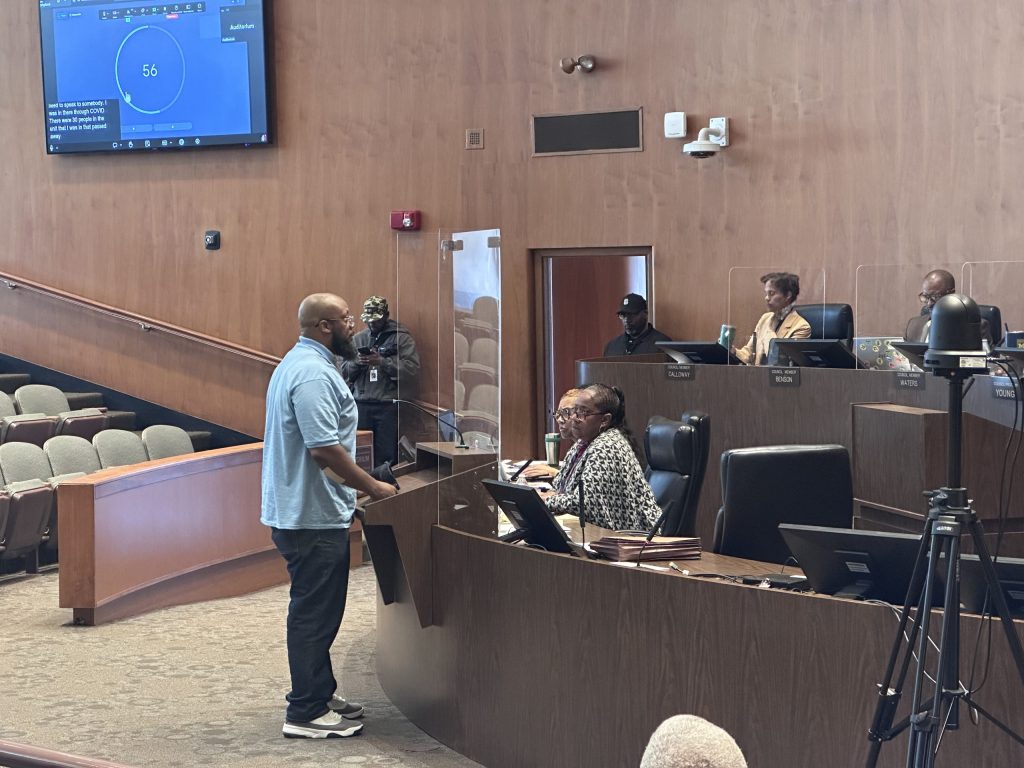
The Detroit City Council has taken a significant step in addressing the mental health challenges faced by individuals re-entering society after incarceration. On Tuesday, council members approved a resolution recognizing ‘post traumatic prison disorder,’ a term used to describe the mental health issues that can arise from imprisonment, such as anxiety and depression. Although not formally recognized in diagnostic manuals, the resolution aims to highlight the hurdles faced by those transitioning back into society.
Support for the Formerly Incarcerated
The resolution, as explained by Council Member McCampbell, expresses the city’s strong support for policies providing comprehensive services to the formerly incarcerated. These services include trauma-focused therapy, stable housing, social support, substance abuse treatment, and re-entry programs. During the public comment session, several speakers, including those who had been incarcerated, voiced their support for the resolution.
Shawanna Vaughn, representing Silent Cry Inc., a nonprofit based in New York, emphasized the lasting impact of incarceration on individuals and their families. She stated, ‘The prison sentences may end. The trauma often does not. Families carry it, communities absorb it, and generations are impacted by it.’ Vaughn highlighted that mental health is a human right, regardless of a person’s background.
Personal Stories Highlight the Need for Action
Jacqueline Robinson of Peoples Action, who works with individuals affected by incarceration, noted that many returning citizens leave correctional environments with ‘deep psychological wounds.’ She stressed that while the resolution alone won’t solve the problem, ‘acknowledgement matters’ as it creates room for policy and programming.
Detroiter Yusef Qualls, who was incarcerated for 28 years after being involved in a double murder as a juvenile, shared his personal struggles with trauma since his release. Despite attempts to seek counseling, Qualls found it challenging to find someone who truly understood his experiences. He highlighted the ongoing nature of trauma, stating, ‘It doesn’t go away because you come home.’
The resolution marks an important acknowledgment by the Detroit City Council of the mental health challenges faced by formerly incarcerated individuals and underscores the need for comprehensive support services to aid their reintegration into society.
Original reporting: BridgeDetroit — read the source article.