Billings residents are swapping air‑conditioners for furnaces this week, preparing for the first chill of the season. While the U.S. Energy Information Administration (EIA) projects natural‑gas prices to fall about 9% and propane to dip roughly 3%, it also warns that electric heat will climb 4% and heating‑oil costs could surge nearly 21%.
Local forecasts differ
The National Energy Assistance Directors Association (NEADA) released a September report that paints a less optimistic picture for the average homeowner. NEADA expects overall heating expenses to rise 8.7%, with natural‑gas up 6%, propane up 9%, electric heat up 9%, and heating‑oil climbing close to 50%.
What Montana’s heating professionals say
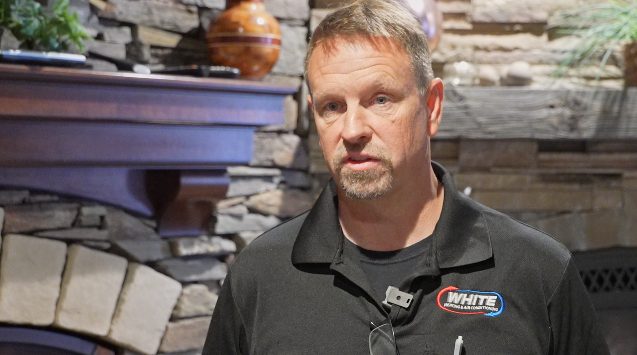
Curt White, owner of White Heating and Air Conditioning, told MTN that the dramatic jump in heating‑oil prices is unlikely to affect most Montanans. “Very few are heating with fuel oil around here,” White explained. “We’ve converted a whole bunch of them to propane over the last 30 years, and the majority of people now rely on natural gas or propane.”
Kory Kebler, a service technician with the same company, has been fielding calls all week as homeowners ready their systems for the cold. “Today I have five no‑heat calls and one tune‑up,” Kebler said. He recommends that homeowners change their furnace filters every month to two months, noting that a clean filter can improve efficiency and keep costs down.
Assistance for families in need
For residents struggling to pay their heating bills, Energy Share of Montana offers resources. In Yellowstone County, households can contact HRDC District 7 for help navigating available assistance programs.
Practical steps to lower your bill
- Schedule a furnace inspection before the cold sets in.
- Replace or clean filters regularly to maintain airflow.
- Consider switching from heating‑oil to propane or natural gas if feasible.
- Take advantage of local assistance programs if you face financial hardship.
By staying proactive and taking advantage of local expertise, Billings families can mitigate the impact of rising energy costs while keeping their homes warm and comfortable.
Original reporting: KTVQ Q2 Billings (local) — read the source article.