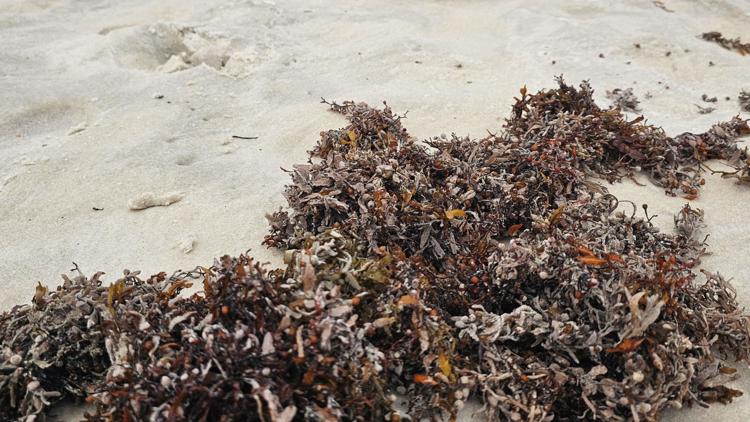
Beaches along the Gulf Coast, particularly in Alabama and Florida, are facing an increasing challenge as large amounts of sargassum seaweed continue to wash ashore. This naturally occurring seaweed, while beneficial in the open ocean as a habitat for marine life, poses significant issues when it accumulates on beaches.
Impact on Local Communities
Local communities, especially those reliant on tourism and fishing, are bracing for the economic impact. The Environmental Protection Agency notes that cleanup efforts and the resulting economic strain cost U.S. businesses and governments millions annually. Areas such as Dauphin Island, Gulf Shores, Orange Beach, Pensacola, and Miramar Beach are already experiencing the effects.
Tracking and Research Efforts
Researchers at the University of South Florida are actively monitoring the situation using NOAA satellite images. Despite the challenges posed by weather conditions, these efforts are crucial in predicting and managing the bloom. The University’s Optical Oceanography Lab has been issuing monthly bulletins since 2018, providing valuable data to coastal communities.
This year’s sargassum levels are expected to break records, with significant amounts already detected in the Atlantic Ocean, Caribbean, and Gulf. The blooms, which have been tracked annually since 2011, are influenced by a combination of climate variability and other factors.
Looking Ahead
As the summer progresses, the situation is expected to worsen, potentially affecting the coasts of Florida, Louisiana, and Texas. Local governments and businesses are urged to prepare for the ongoing influx and its implications for tourism and local economies.
Original reporting: Rocket City Now (Huntsville) — read the source article.