The District of Columbia Public Library is taking a proactive step to help residents curb the constant pull of digital devices. Under its new “In Real Life” (IRL) strategic plan, the library is offering a pilot program that teaches community members how to protect their privacy online and reduce screen‑time overload.
Program goals and leadership
Digital inclusion coordinator Chelsea Kirkland says the effort responds to growing public concern about information overload and the pervasiveness of technology in daily life. “Lately, it just seems like there’s a lot of energy where people are wanting to be more informed and conscientious about the technology they use,” Kirkland explained.
The program’s primary aim is to give participants practical tools for safeguarding personal data while encouraging more face‑to‑face interaction. “We have a new strategic plan that’s called IRL or In Real Life, where our director really laid out a clear vision about coming back to the library to connect with real people and make genuine real‑life experiences,” Kirkland added.
Resources and alternatives offered
Kirkland points participants to a handful of privacy‑focused resources. She highlights PrivacyGuides.org, a volunteer‑run site that curates guides on alternative, more private technology, and the “Opt Out Project” from a Princeton professor that walks users through a three‑week data cleanse.
While the library does not endorse any single app, the pilot is testing several popular privacy‑oriented tools. For messaging, the program recommends Signal as an alternative to WhatsApp. For email, ProtonMail is suggested, and for web searches, DuckDuckGo is highlighted. Many participants also favor Mozilla Firefox for its robust privacy settings.
How the pilot works
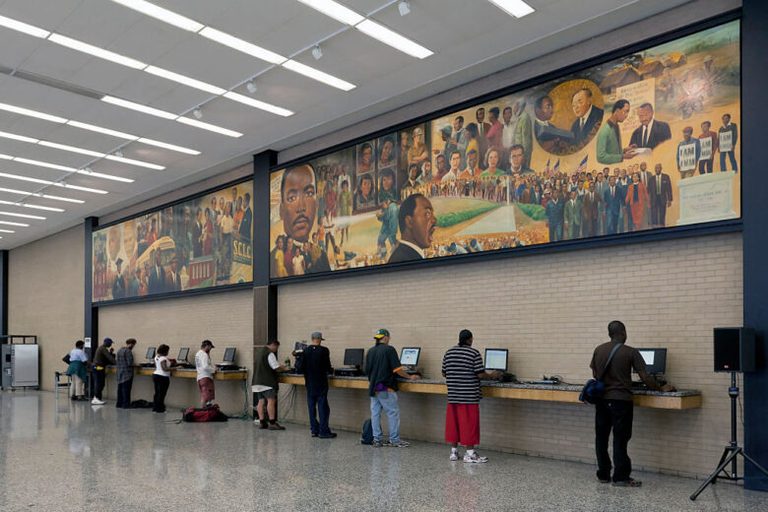
The initiative blends in‑person meetings at the Martin Luther King Jr. Memorial Library with virtual sessions, allowing flexibility for busy residents. One of the first virtual events will feature local author Byron Tau, who will discuss his book “Means of Control,” which examines how data tracking and sharing affect everyday people.
Each session includes hands‑on demonstrations, step‑by‑step guides, and Q&A time so participants can ask specific questions about protecting their digital footprints.
Why this matters for families and faith communities
For many families, especially those who prioritize traditional values and parental rights, the program offers a way to reclaim control over children’s online exposure. By teaching practical privacy steps, the library helps parents ensure that their kids are not inadvertently sharing personal information while using popular apps and social platforms.
Faith‑based groups in the District have also expressed support, noting that the initiative aligns with the principle of stewardship—managing one’s personal information responsibly as a form of caring for the gifts God has given.
Looking ahead
Kirkland says the pilot will run for several months, after which the library will assess participation rates, user feedback, and any measurable reductions in screen time. Successful elements could be expanded city‑wide, reinforcing the library’s role as a community hub that not only provides books but also equips residents with the knowledge to navigate a digital world wisely.
The DC Public Library’s IRL program reflects a broader movement among local institutions to address the social impacts of technology, emphasizing real‑world connection, privacy protection, and informed choice.
Original reporting: Alexandria, VA News – WTOP News — read the source article.