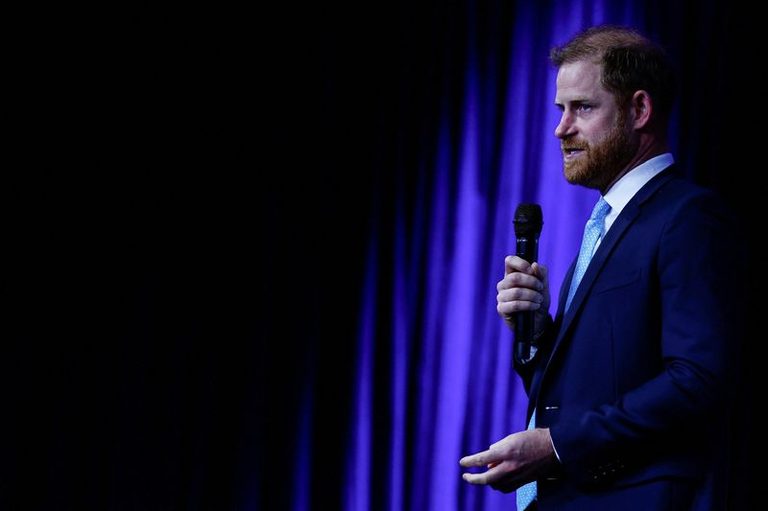
Prince Harry, the younger son of King Charles, shared a candid account of his mental‑health struggle during a Masterclass videocast titled “Redefining Grief: Building Resilience Through Loss.” The British royal explained that a six‑week retreat to Canada with his wife Meghan in 2019 triggered an unexpected adrenaline crash, which led to a two‑week period of depression.
Adrenaline Crash and the Onset of Depression
“Being in Canada, away from the stressful environment where presumably my body was just pumped full of adrenaline, within two or three days I experienced this adrenaline crash, something I’d never experienced before,” Harry said, according to the video. “It was as if I needed stress in order to get the adrenaline to make my brain function because I became useless around the house. I actually slipped into depression for about two weeks and I felt like I couldn’t function without adrenaline.”
Grief Over His Mother’s Death
Harry also reflected on the lasting impact of his mother Princess Diana’s death, which occurred when he was 12. He described feeling “emotionally numb” for years because “nobody told me joy was still allowed.” The royal’s openness about his grief underscores a broader conversation about how early trauma can shape mental‑health outcomes later in life.
Return to Royal Duties and Ongoing Advocacy
After the Canadian break, Harry and Meghan returned to the United Kingdom, where it was announced that they would step back from their roles as working members of the royal family. Two months ago, the couple moved back to Britain with their son Prince Archie, 7, and daughter Princess Lilibet, 5, after six years in California.
Harry’s willingness to discuss his depression aligns with his continued advocacy for mental‑health awareness, a cause he shares with his older brother Prince William. While the brothers remain largely out of contact following Harry’s public criticism of the family in interviews and his memoir, both have used their platforms to encourage open dialogue about mental‑health challenges.
Why This Matters for Readers
Harry’s story offers a reminder that mental‑health struggles can affect anyone, regardless of status or wealth. By speaking publicly about his experience, he helps reduce stigma and encourages families to seek help when needed. For readers, especially parents, the royal’s testimony underscores the importance of recognizing signs of depression and providing supportive environments for recovery.
Community organizations and faith‑based groups can take note of this high‑profile example and consider how to better serve individuals dealing with grief and depression. Local mental‑health resources, counseling services, and support groups remain essential tools for families navigating similar challenges.
Original reporting: Appleton, WI News Feed (HLL/CB) — read the source article.