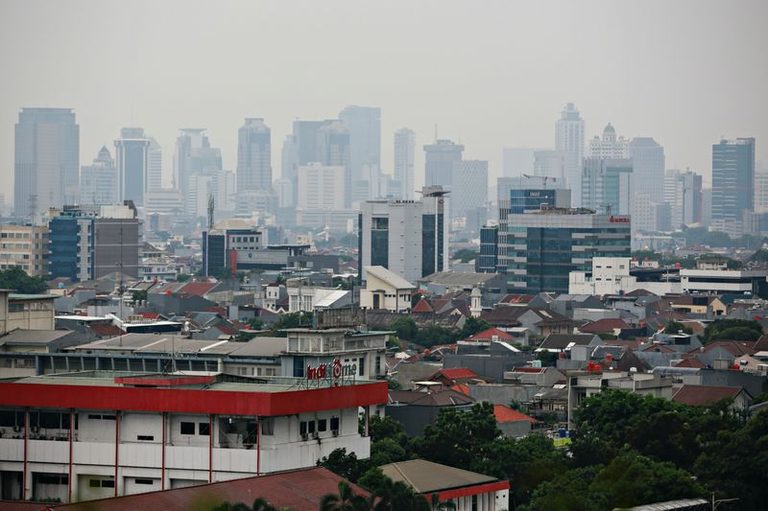
Jakarta – Indonesia’s finance ministry has issued a sweeping cost‑cutting directive to all ministries and agencies. In a circular signed by Finance Minister Suahasil Nazara, civil servants were told to slash remaining travel budgets by 30% and to halt any non‑essential procurement, including new vehicles and construction or renovation of official residences.
“This is to keep the deficit below 3% of GDP,” a source familiar with the letter told Reuters. The ministry gave agencies until October 16 to submit detailed budget‑cut proposals, with the caveat that cuts must not disrupt public services and must remain focused on the president’s priority outputs.
Fiscal context
Indonesia’s 2026 budget deficit estimate now stands at 2.85% of GDP, already above the administration’s initial target of 2.68%. President Prabowo Subianto, who took office in 2024, has faced growing investor concern over the country’s fiscal sustainability. The legal deficit ceiling of 3% of GDP was introduced in 2003 after the Asian financial crisis.
Last year, President Subianto slashed spending plans by $19 billion to keep the deficit under the ceiling, yet the year closed with arrears of 2.81% of GDP – the highest level in more than two decades, excluding the pandemic years. Those cuts forced many regional governments to raise local taxes, sparking protests across several provinces.
Energy subsidy pressure
Complicating the fiscal picture is a recent spike in global energy prices, which is expected to increase Indonesia’s energy subsidy outlays in the final quarter of 2026. The government’s ability to stay within its tight fiscal space will depend on how it manages these subsidy payments while maintaining essential services.
While the finance ministry has not yet responded to requests for comment, the new cost‑cutting measures signal a firm commitment by Minister Suahasil to adhere to the legislated fiscal limits and to protect Indonesia’s economic stability.
Original reporting: Appleton, WI News Feed (HLL/CB) — read the source article.