Denver’s mayor, Mike Johnston, unveiled a draft budget for fiscal year 2027 that leans heavily on expanded traffic enforcement and revised parking policies to raise city revenue. The plan projects a $3.1 million increase from automated speed‑camera tickets and an additional $3 million from parking‑meter fees and fines.
Automated speed cameras to operate around the clock
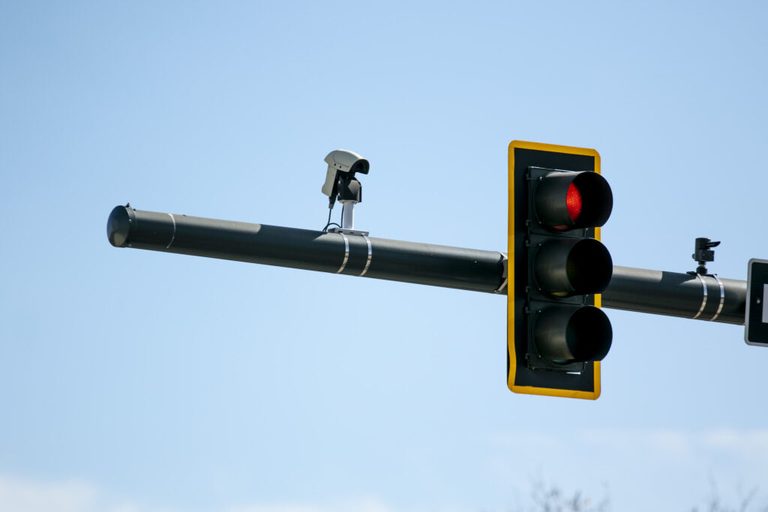
Under the proposal, the city will redeploy officers to traffic duty and roll out more fully automated speed cameras. Unlike the current human‑operated photo‑radar vans, the new cameras will capture license plates only when a vehicle exceeds the speed limit, allowing 24‑hour, year‑round enforcement without a police officer present.
Jill Locantore, head of the Denver Streets Partnership, praised the technology for its potential to reduce dangerous traffic stops that can escalate into confrontations. “Those stops tend to escalate into searches of the vehicle, sometimes violent interactions between the police officer and the community member,” she said, adding that automated enforcement avoids such risks.
Nancy Kuhn, spokesperson for the Department of Transportation and Infrastructure (DOTI), confirmed that both mobile and stationary automated cameras are slated to begin operating in the first quarter of 2027. “Denver will also continue to utilize its speed enforcement vans through Denver Police as part of our ongoing traffic safety operations,” Kuhn wrote, indicating that the city will maintain a hybrid approach.
Parking‑meter reforms add another revenue stream
In parallel with the camera rollout, the budget includes changes to parking‑meter rules. Drivers may now purchase three‑hour blocks of parking instead of the previous two‑hour limit, and the city has extended the hours during which meters are active. Officials estimate these adjustments could generate up to $1.2 million.
Additional revenue is expected from a $1 million increase in fees for “bagging” a parking meter—charges applied when construction or other activities block a space. The city also projects a 3.4% rise in parking‑fine collections, roughly $883,000, driven by more frequent enforcement and fewer dismissals.
Safety and fiscal goals aligned
Proponents argue that automated enforcement not only boosts the budget but also improves road safety. Studies of similar photo‑radar programs have linked the technology to reductions in traffic crashes and fatalities. By operating continuously, the cameras can address speeding hotspots that might otherwise go unnoticed.
Mayor Johnston’s office emphasized that the additional funds will support city services, though specific allocations were not detailed in the draft. The mayor’s spokesperson, Jon Ewing, noted that the camera program and police patrols are complementary: “Speed enforcement cameras do a great job of encouraging people to slow down in dangerous areas. However, we still need police on hand to catch someone in the moment when they’re barreling down the street at a high speed. We’re doing both.”
Community response
While many see the plan as a pragmatic way to fund city operations and enhance safety, some residents express concern over increased ticketing. Critics argue that higher fines could disproportionately affect low‑income drivers. The city has not yet outlined measures to mitigate any potential equity impacts.
Overall, the draft budget reflects Denver’s effort to balance fiscal responsibility with public‑safety objectives, leveraging technology to generate revenue while aiming to keep streets safer for all users.
Original reporting: Denverite — read the source article.