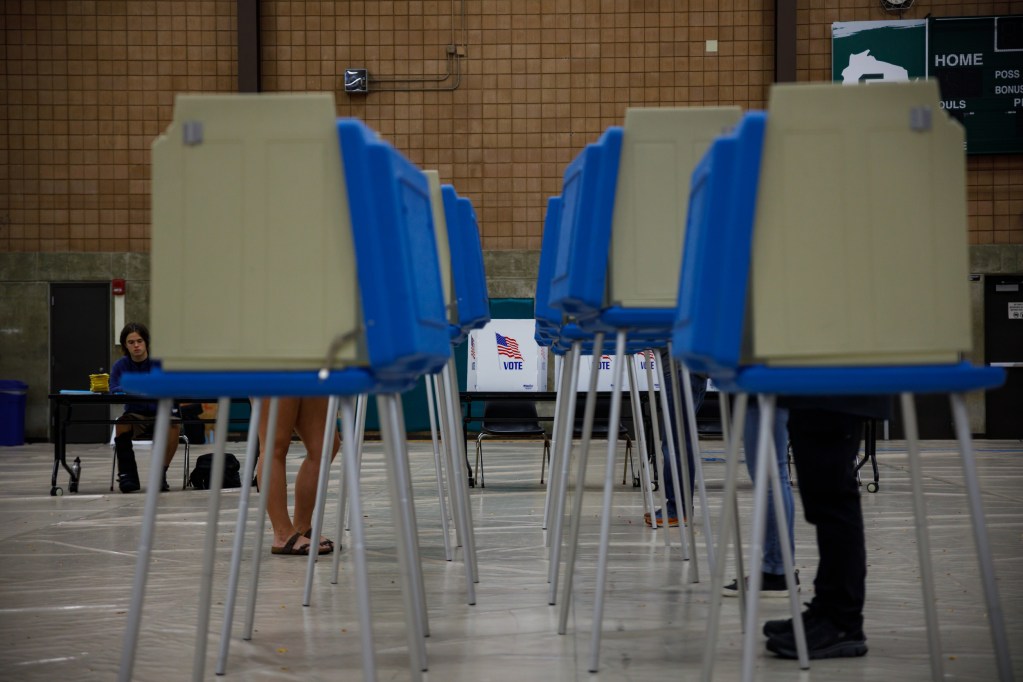
In the lead-up to the Wisconsin Supreme Court election, Green Bay election officials mistakenly sent duplicate ballots to 150 voters. This incident sparked concerns and conspiracy theories online, but election security measures in place effectively prevent double voting.
Understanding the Mistake
The duplicate ballots in Green Bay were sent due to a mid-March blizzard that caused a time crunch for election officials. City Clerk Celestine Jeffreys explained that the city promptly notified the 152 affected voters. Ultimately, only one voter returned two ballots, both of which were voided after officials alerted the voter.
Security Measures in Place
Election security experts emphasize that duplicate ballots rarely result in double voting due to robust systems. Tammy Patrick, chief programs officer of the National Association of Election Officials, noted that once a ballot is received and accepted, it locks down the voter’s record, preventing a second ballot from being accepted.
David Levine, an election security expert, highlighted that unique barcodes on absentee ballot envelopes are crucial. These barcodes connect to the statewide voter registration database, ensuring that if a duplicate ballot is scanned, it is rejected.
National Context and Misunderstandings
Similar incidents have occurred nationwide, including in Maryland, where voters received incorrect primary ballots. Election officials issued new ballots and voided the originals. Despite these isolated cases, studies show that actual double voting is extremely rare.
Some public scrutiny arises from misunderstandings about these safeguards. However, experts like Levine stress that most voters are aware that double voting is a crime, and clerical errors account for most perceived instances of double voting.
Conclusion
While the occurrence of sending duplicate ballots can cause concern, the established security processes in Wisconsin and other states effectively prevent double voting. These systems ensure the integrity of the election process, maintaining public trust.
Original reporting: Wisconsin Watch — read the source article.