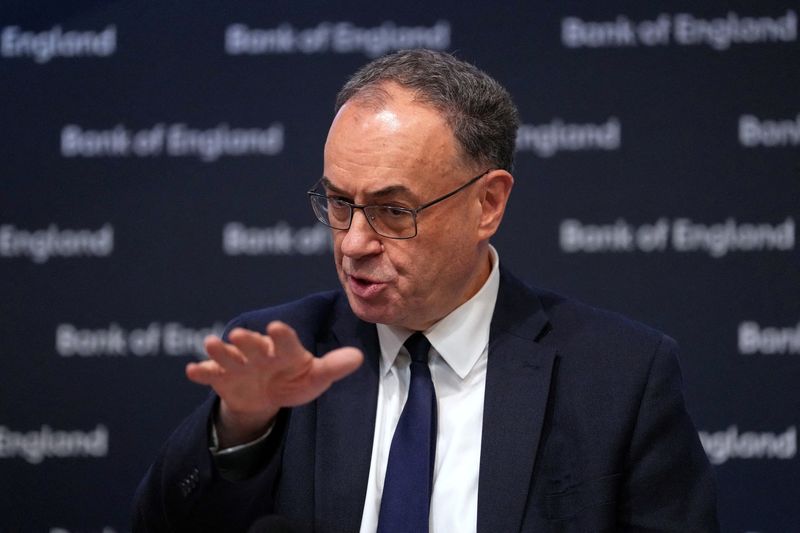
The Bank of England is paying increased attention to public-sector pay as a potential driver of inflation, according to Governor Andrew Bailey. Historically, the central bank has focused on private-sector wage growth, which tends to respond more swiftly to economic conditions and influences business pricing strategies. However, public-sector pay has consistently outpaced private-sector pay over the past year, marking the longest such trend since 2021.
Public-Sector Pay Trends
In the first quarter of 2026, public-sector pay rose by an annual 4.8%, compared to a 3.0% increase in the private sector. Bailey noted the growing disparity between the two sectors, suggesting it could alter the traditional focus on private-sector wages. “We have got more of a wedge opening up between private-sector pay and public-sector pay,” Bailey stated in an interview with the Financial Times. He emphasized the need to reconsider the weight given to public-sector pay in assessing inflation risks.
Impact on Government Bonds
Bailey also addressed the recent surge in British government bond yields, which reached their highest level since 2008. He attributed this not to political uncertainties surrounding Prime Minister Keir Starmer but rather to the significance of maintaining balanced public finances. “People can take a message from the market at that point. The fiscal rules are important,” he commented.
Interest Rate Considerations
In a recent speech in Reykjavik, Bailey mentioned that the central bank could adopt a wait-and-see approach regarding potential interest rate hikes in response to the ongoing conflict in Iran. He indicated that any consideration of rate cuts would depend on the durability of a potential peace deal. “You’d have to be much more confident that this incident is not lasting,” Bailey told the Financial Times.
Original reporting: Appleton, WI News Feed (HLL/CB) — read the source article.