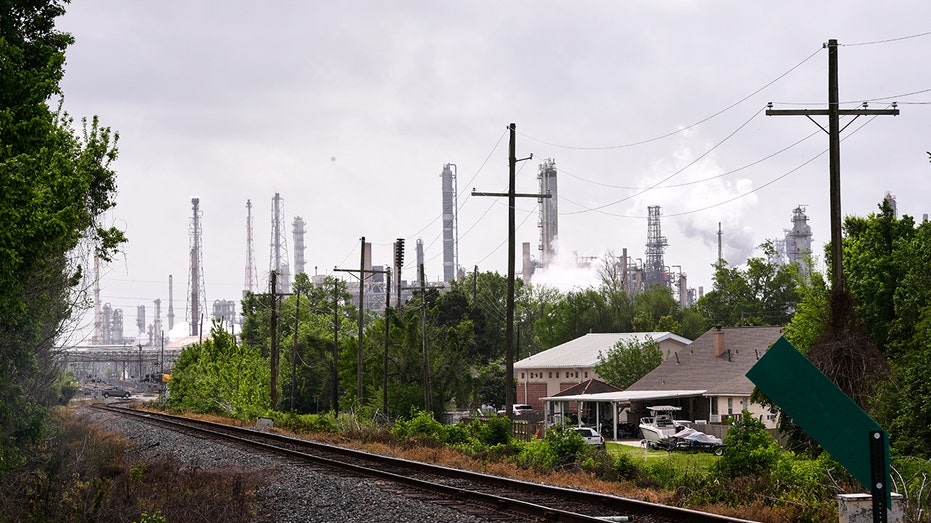
President Donald Trump’s energy policies are steering the United States toward greater energy independence, potentially reducing the nation’s reliance on Middle East oil. This shift is marked by a series of initiatives aimed at bolstering domestic energy production and reshaping international energy dynamics.
Domestic Energy Production
Under Trump’s leadership, the U.S. has seen a resurgence in oil and gas production, driven by policies that encourage drilling and reduce regulatory burdens. The administration’s ‘Drill, Baby, Drill’ approach has been complemented by the National Energy Emergency proclamation and the enactment of the Big Beautiful Bill, which rolled back regulations for oil and gas producers.
These measures have been instrumental in increasing domestic production, with the U.S. currently producing 13.6 million barrels of crude oil per day. However, the country consumes 20 million barrels daily, necessitating additional imports. Efforts are underway to close this gap, with increased imports from Canada, Mexico, and Venezuela contributing to the goal of true energy independence.
International Energy Dynamics
Trump has also advocated for a shift in international responsibilities, suggesting that countries like Europe, China, Korea, and Japan take a more active role in securing their own oil supplies, particularly in regions like the Strait of Hormuz. This stance reflects a broader strategy of reducing U.S. involvement in Middle Eastern conflicts and focusing on domestic energy security.
Energy Secretary Chris Wright has been pivotal in strengthening ties with Venezuela, which boasts significant oil reserves. As Venezuelan exports to the U.S. increase, alongside favorable federal leasing in Alaska and the Gulf of Mexico, the U.S. is nearing a state of energy independence that is not merely rhetorical.
Challenges and Future Prospects
Despite these advancements, challenges remain. The profitability of oil production is contingent on maintaining prices in the mid to upper $70s per barrel. Additionally, political shifts could threaten the progress made. Should a future administration prioritize renewable energy over fossil fuels, the gains achieved under Trump could be reversed, potentially reigniting U.S. dependence on Middle Eastern oil.
Trump’s administration is racing against time to solidify these energy policies before the end of his term in January 2029. Achieving lasting energy independence will require continued investment in domestic production, including more federal land leasing and infrastructure development.
The path to energy independence is fraught with economic and political challenges, but the potential benefits for national security and economic stability make it a priority for the current administration.
Original reporting: Fox News (HLL/CB) — read the source article.