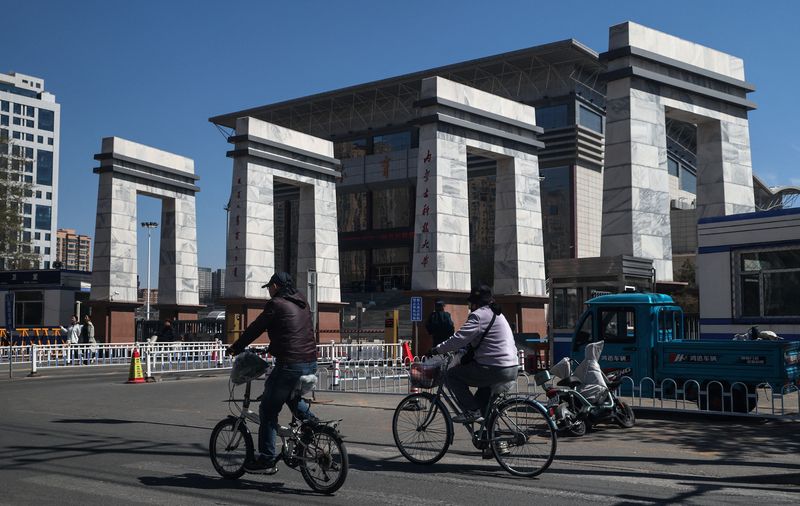
China has established a formidable education and research system for rare earths, a crucial component in modern technology. Schools like the Inner Mongolia University of Science and Technology train hundreds of students annually, creating a pipeline of talent that supports China’s dominance in the global rare earths market. These graduates often find employment with state-owned companies in Baotou, a hub for rare earths refining and research.
U.S. Efforts to Compete
In response, the United States has been investing heavily to counter China’s stronghold. President Donald Trump and other Western leaders have pledged billions to boost domestic production and education in rare earths. However, U.S. institutions currently lack specialized undergraduate programs, and the mining industry remains less attractive to American students.
China’s rare earths industry benefits from a close collaboration between academia and industry, with over 40 specialist laboratories and numerous universities focused on rare earths. This ecosystem allows China to produce rare earths efficiently and at a lower cost. The U.S. is attempting to rebuild its expertise, with federal funding directed towards mining schools and research programs.
Environmental and Economic Implications
While China leads in production, the environmental impact of rare earths refining is significant. Chinese researchers have documented contamination issues, and the government has acknowledged environmental damage. Despite these challenges, China’s rare earths education and industry continue to thrive, supported by government incentives and funding.
As the U.S. seeks to expand its capabilities, the competition for rare earths expertise and production is set to intensify. The outcome will have significant implications for global supply chains and technological advancements.
Original reporting: Appleton, WI News Feed (HLL/CB) — read the source article.